Face Masks: Formulation Guide, Targeted Actives & European Cosmetic Regulation
Face masks represent the ultimate intensive treatment in modern skincare routines. Whether formulated as purifying mineral clay pastes, nourishing leave-on night creams, soothing hydrogels, or bio-cellulose sheet masks, face masks are engineered to deliver concentrated active ingredients over a dedicated application period. However, intensive facial treatments introduce specific toxicological and preservation challenges under European Cosmetic Regulation (EC) No 1223/2009. Here is your comprehensive guide to formulating, testing, and legally launching your face mask range.
💡 Formulating a clay, cream, gel, or sheet face mask? Ensure complete regulatory compliance for your intensive skincare products. Estimate your compliance fees in 2 minutes with our configurator.
Facial Mask Galenics and Their Specific Regulatory Testing Demands
The galenic format of your face mask directly determines the analytical testing and toxicological modeling required for the Cosmetic Product Safety Report (CPSR):
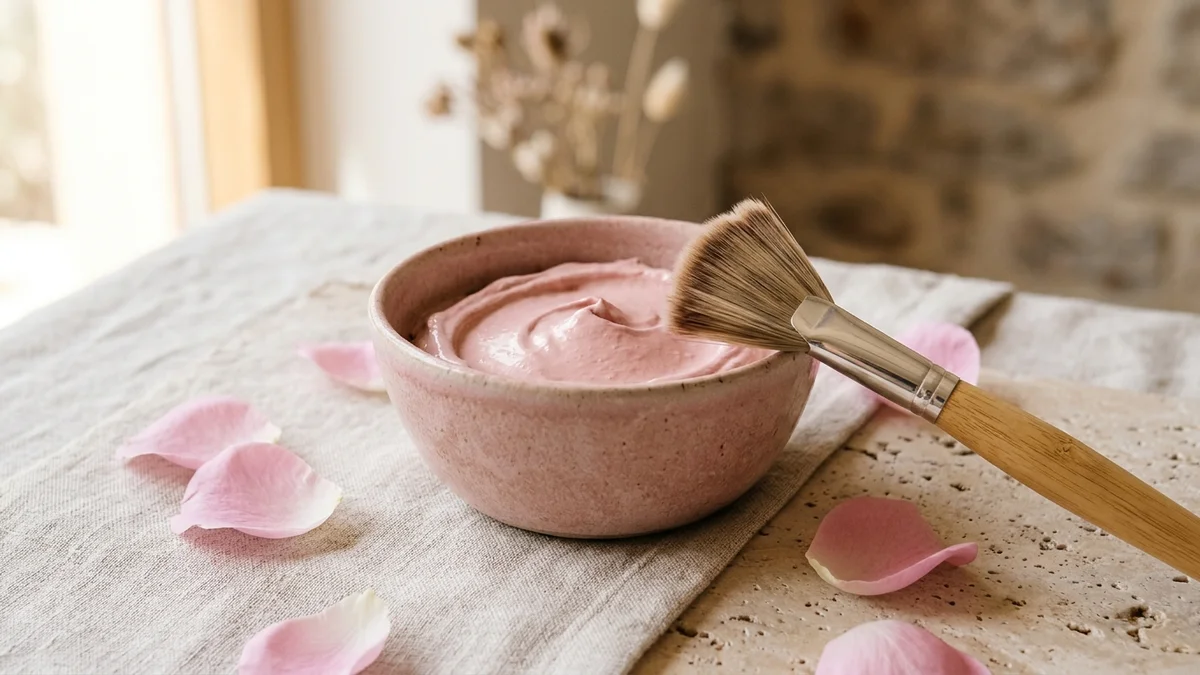
- Purifying mineral clay masks: High-solids aqueous suspensions or emulsions rich in kaolin, bentonite, or illite clays. Mineral clays have a documented tendency to adsorb synthetic preservatives (such as phenoxyethanol), reducing free antimicrobial activity. Compulsory ISO 11930 challenge testing is essential to confirm preservative efficacy. Furthermore, raw clay lots require strict heavy metal testing (lead, arsenic, mercury).
- Nourishing leave-on cream masks: Rich lipid emulsions packed with botanical butters (shea, mango) and oils. Because leave-on night masks remain on facial skin for 8+ hours, cutaneous exposure calculations (Systemic Exposure Dose - SED) are significantly higher than for rinse-off masks, restricting maximum permissible levels of preservatives and fragrance allergens.
- Pre-soaked sheet masks (bio-cellulose or non-woven): Single-use fabric sheets pre-impregnated with a concentrated aqueous essence. Packaging compatibility must verify that fabric fibers do not release undesirable residual binders, and preservation systems must resist fungal contamination across the high surface area.
Your PIF compiles all formulation, analytical, and safety data. For general facial skincare requirements, explore our guide on the face care PIF and our cornerstone guide on the cosmetic PIF.
🔬 Insights from our Cosmetic Safety Assessor
"Facial masks are frequently applied after cleansing exfoliants or warm steam treatments that temporarily increase skin permeability. Furthermore, the total application surface covers the entire face. During toxicological risk evaluation, I verify skin tolerance using dermatological patch test reports to rule out any primary cutaneous irritation or contact sensitization potential before issuing formal Part B safety clearance."
Mandatory Regulatory Steps to Commercialize Your Face Mask
To market your facial masks legally in France, across the EU, and in the UK, complete these regulatory milestones:
- Accelerated Stability and Packaging Compatibility Testing: 8 to 12 weeks of incubation at 40°C in final commercial jars, tubes, or single-use sachets to verify that the emulsion or clay suspension remains homogeneous and does not interact with packaging linings.
- Microbiological Challenge Testing (ISO 11930): Compulsory for all water-containing formulations.
- Cosmetic Product Safety Report (CPSR): Complete toxicological assessment and formal signature of Part B by our qualified safety assessor.
- European CPNP Notification: Mandatory electronic filing on the European Commission portal before distribution.
Our specialists provide turnkey regulatory support. Explore our transparent pricing and package options in our dedicated PIF services guide.
⚠️ 3 Frequent Regulatory Deficiencies in Face Mask Formulations
- Missing heavy metal purity assays for mineral clays: Sourcing crude unpurified kaolin or bentonite without batch-specific Certificates of Analysis confirming low levels of lead, arsenic, and cadmium blocks safety assessor approval.
- Clay suspension phase separation under heat: If a clay mask exhibits irreversible syneresis (liquid pooling) or hard sediment compaction at 40°C, the formulation is deemed unstable for the PIF.
- Unsubstantiated medical acne treatment claims: Marketing a purifying face mask as a cure for acne vulgaris without clinical drug trials violates EU claims guidelines. Use compliant cosmetic claims ("purifies the skin", "helps clarify blemish-prone skin"). Review compliant claims in our guide on blemish-prone skin care claims and PIF.
Semantic Regulatory Architecture Across Your Skincare Portfolio
If your cosmetics line includes complementary serums, daily moisturizers, or facial cleansers, explore our linked technical guides:
- For concentrated facial serums, read our guide on face serum regulation.
- For comprehensive facial hygiene and care routines, consult our guide on facial hygiene and care regulation.
- For gentle makeup-dissolving cleansers, explore our guide on makeup remover regulation.
Frequently Asked Questions About Face Mask Regulation
- Is container compatibility testing required for single-use foil sheet mask sachets?
- Yes. Pre-soaked sheet masks are packaged in multilayer aluminum-plastic laminate sachets. During the 8-to-12-week accelerated stability trial at 40°C, testing laboratories verify that serum active acids do not delaminate sachet layers or leach synthetic polymers into the cosmetic essence.
- Can natural preservatives be successfully utilized in mineral clay masks?
- Yes. However, because clay surfaces naturally adsorb preservative molecules, preservative dosage requires careful optimization. Combinations like Sodium Benzoate and Potassium Sorbate, or Benzyl Alcohol with Dehydroacetic Acid, are effective Cosmos-approved options, provided formula pH is buffered strictly below 5.5 to ensure organic acid preservation activity and pass ISO 11930 challenge testing.
- How do you substantiate a "radiant glow" or "healthy complexion" claim?
- Claims such as "boosts radiant complexion" or "leaves skin glowing" are aesthetic, perceptual cosmetic claims. They do not require complex clinical trials; structured consumer panel questionnaires or standardized visual before/after photography compiled in Part 4 of the PIF provide sufficient substantiation under Regulation (EU) No 655/2013.
Configure Your Cosmetic PIF Project Live
Calculate your EU Cosmetic PIF & CPSR Price
Select your profile, galenic formula type, and laboratory test status to get an instant, transparent regulatory estimate.