Ecosmet
Aimie Noué - Cosmetic Regulatory Expert

Aimie Noué - Cosmetic Regulatory Expert

Cosmetic Regulatory Expert

A specialist in European cosmetic regulations (Regulation EC No 1223/2009), I guide brand creators, artisans, and formulators through every step of bringing their products into compliance.

My role is to decipher legal requirements and manage the end-to-end compilation of your Product Information Files (PIF). Because consumer safety is our highest priority, all Cosmetic Product Safety Reports (CPSR) produced at Ecosmet are thoroughly evaluated and signed by our qualified toxicologist. Together, we combine responsive personalized guidance with scientific rigor.

Core Expertise

  • Mastery of EU Cosmetic Regulation (EC No 1223/2009) & Swiss OCos
  • End-to-end drafting of Product Information Files (PIF)
  • Tailored regulatory support for independent cosmetic brands
  • Technical coordination of CPSR safety assessments

Regulatory Publications

Browse all formulation guides and regulatory breakdowns written by Aimie Noué.

Scalp Scrub PIF: Hair Exfoliation & EU Regulation
Published on 13 July 2026

Scalp Scrub PIF: Hair Exfoliation & EU Regulation

Scalp scrub PIF: regulatory compliance and safety validation for hair scrubs and scalp exfoliants. Learn about physical abrasives, salicylic acid limits (2% rinse-off / 1% leave-on), ISO 11930 challenge tests, and PIF validation under Regulation (EC) No 1223/2009.
Body Scrub: Formulation Guide & EU Regulatory PIF
Published on 13 July 2026

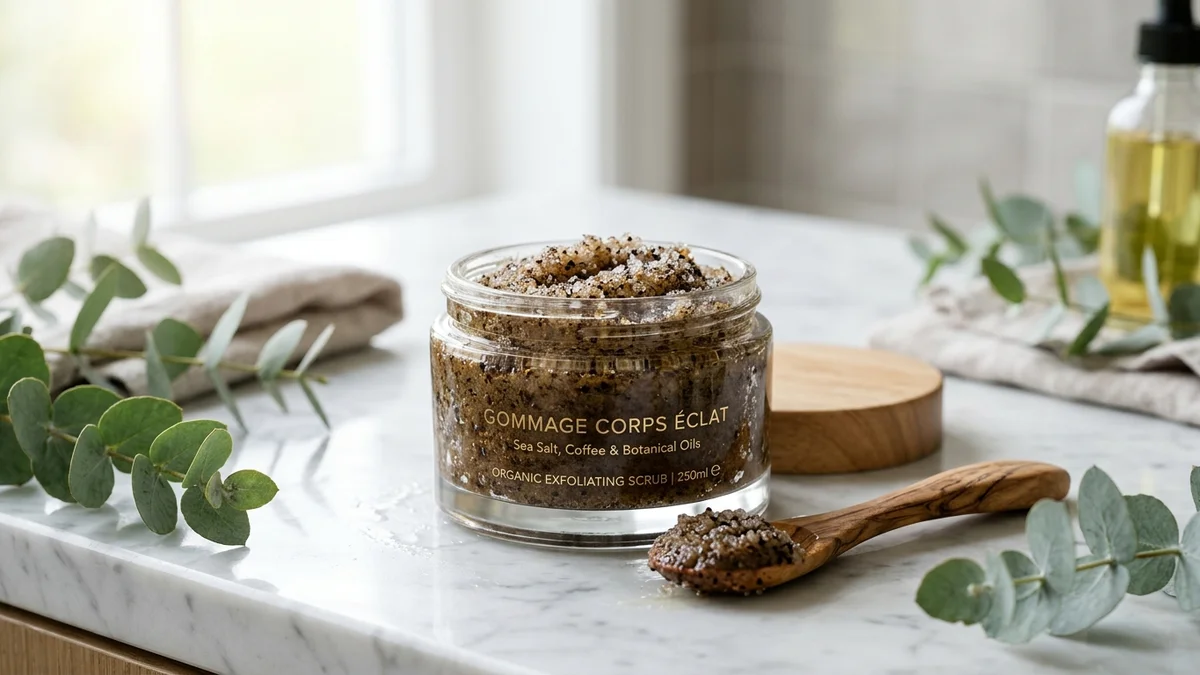
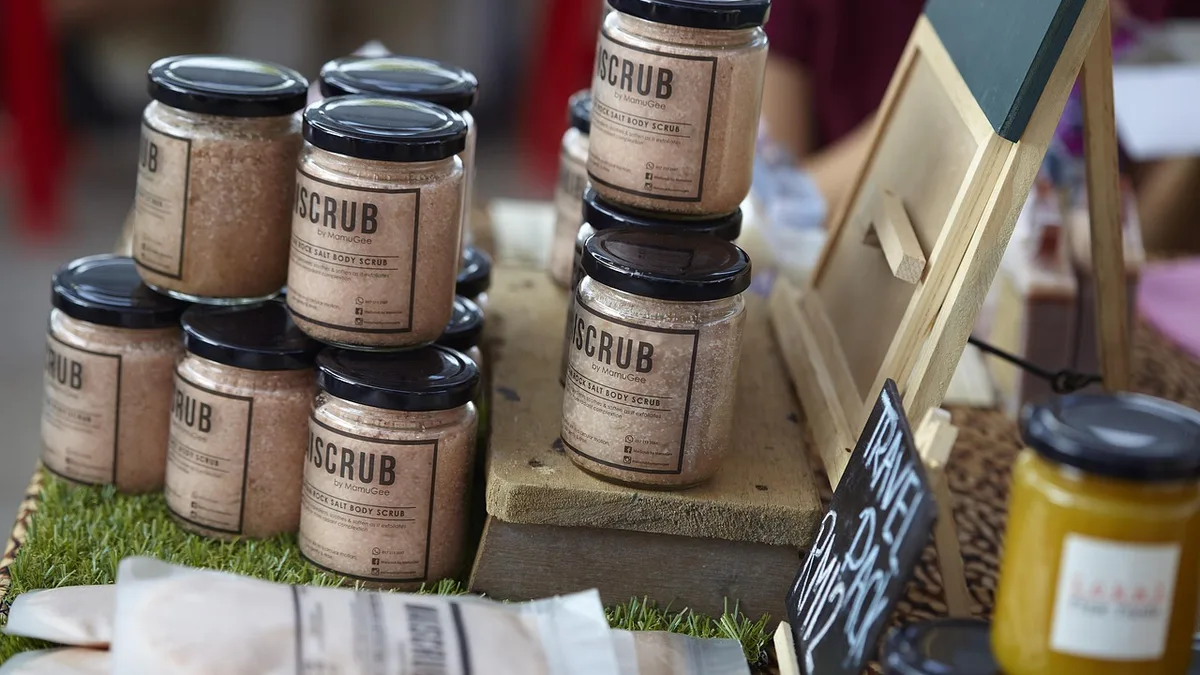
Body Scrub: Formulation Guide & EU Regulatory PIF

Body scrub: exfoliating formulation, selection of natural abrasive particles, and EU regulatory requirements. Learn about ISO 11930 challenge tests for shower scrubs, the 2023 microplastic ban, and PIF validation under Regulation (EC) No 1223/2009.
Foot Scrub: Formulation & EU Regulatory PIF
Published on 13 July 2026

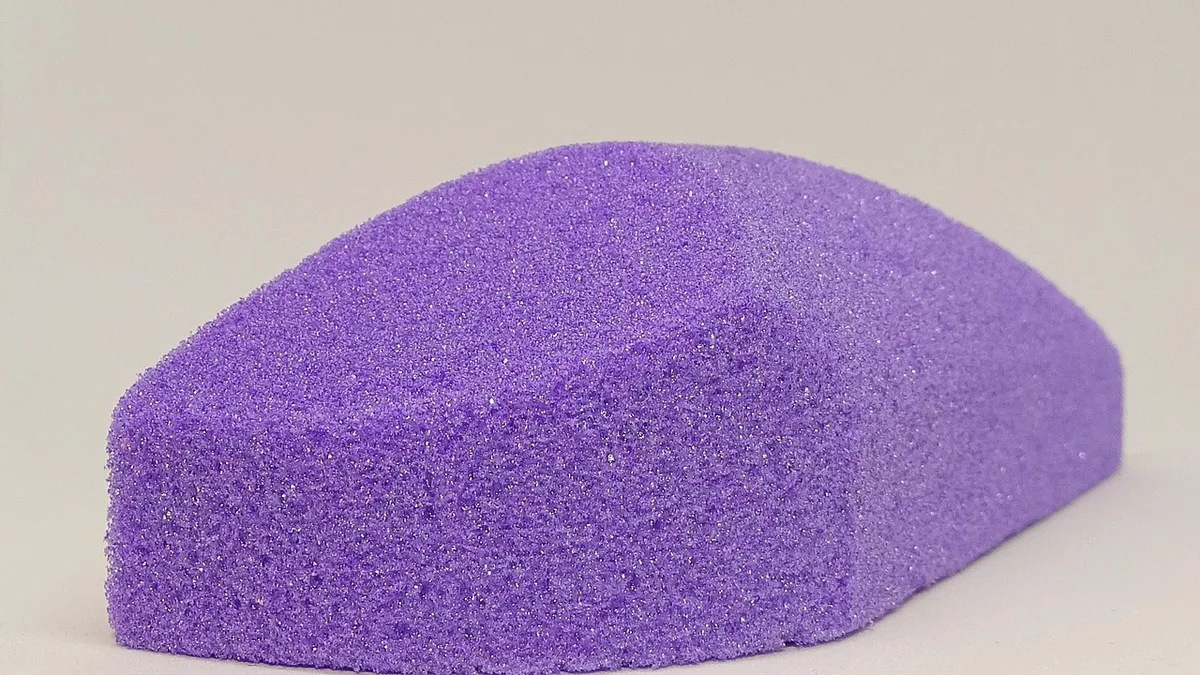
Foot Scrub: Formulation & EU Regulatory PIF

Foot scrub: intensive exfoliating formulation, selection of robust abrasives, and PIF requirements. Learn about pumice stone, salicylic acid limits, ISO 29621 challenge test exemptions for anhydrous scrubs, and PIF validation under Regulation (EC) No 1223/2009.

Hair Oil: Natural Formulation Guide & EU Regulatory PIF
Published on 13 July 2026

Hair Oil: Natural Formulation Guide & EU Regulatory PIF

Hair oil: natural formulation secrets and EU regulatory requirements. From castor, argan, and jojoba oils to antioxidant stabilization, ISO 29621 microbiological challenge exemptions, dropper pipette compatibility, and PIF validation under Regulation (EC) No 1223/2009.
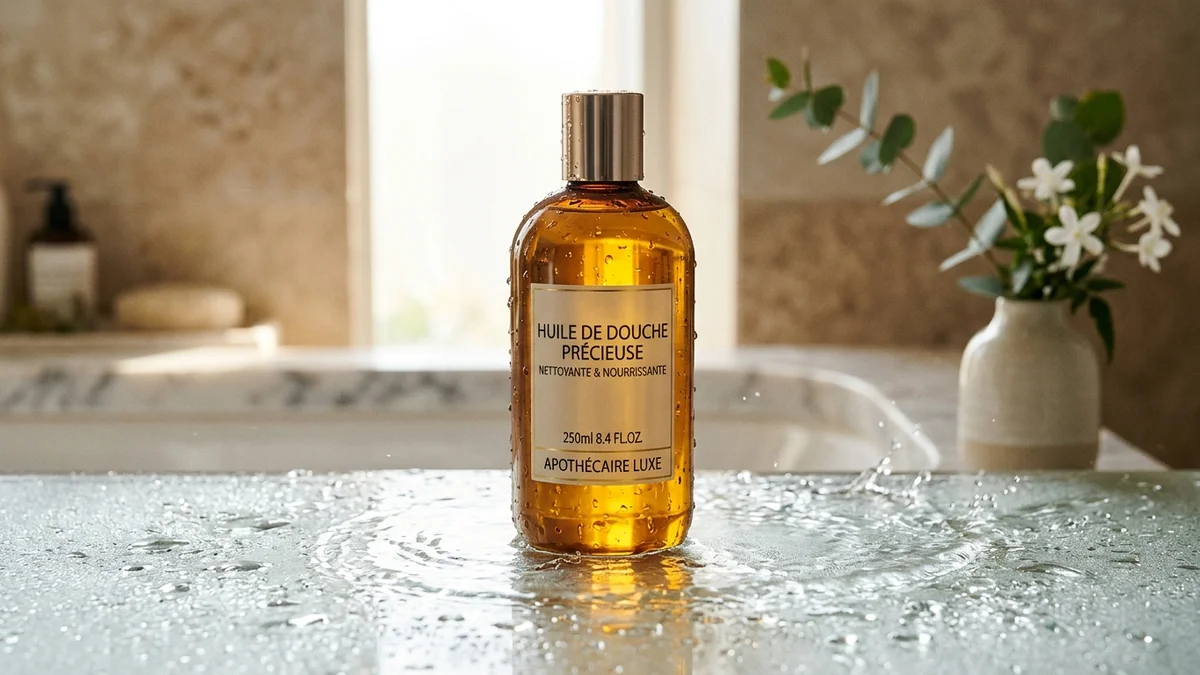
Shower Oil: Formulation Guide & EU Regulatory PIF
Published on 13 July 2026

Shower Oil: Formulation Guide & EU Regulatory PIF

Shower oil: lipid-replenishing formulation secrets and EU regulatory requirements. Compare anhydrous vs aqueous shower oils, ISO 29621 challenge test exemptions, HET-CAM ocular tolerance, and PIF validation under Regulation (EC) No 1223/2009.
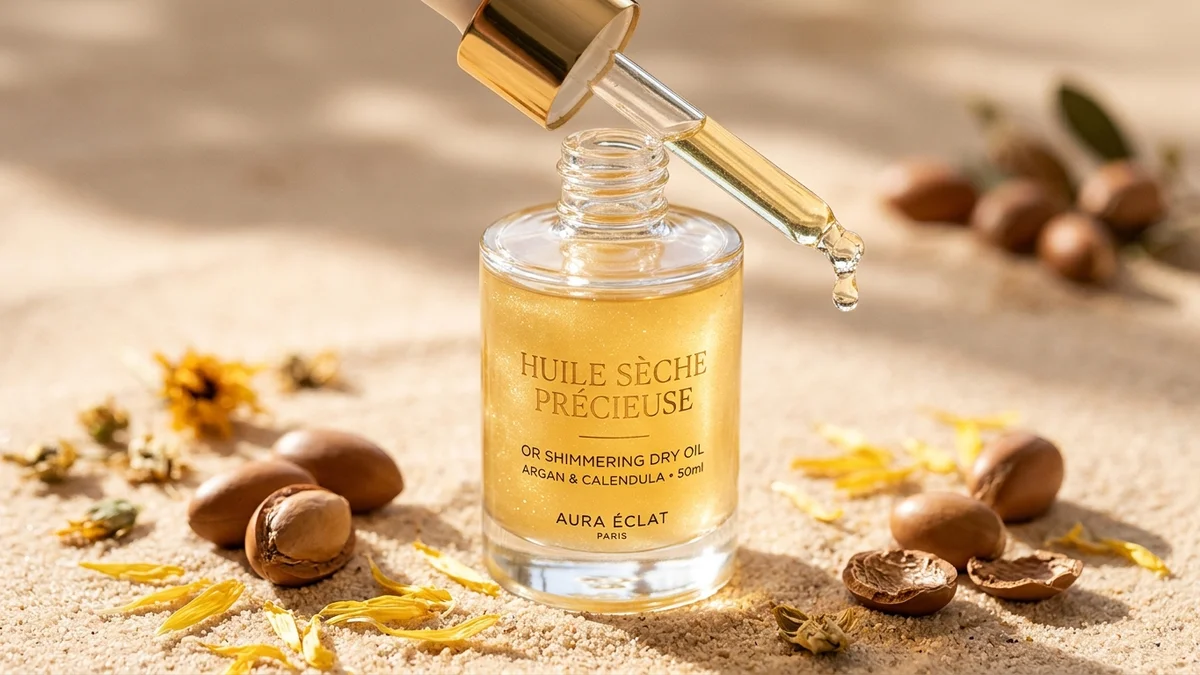
Dry Oil: Formulation Guide & EU Regulatory PIF
Published on 13 July 2026

Dry Oil: Formulation Guide & EU Regulatory PIF

Dry oil: dry-touch formulation secrets and EU regulatory requirements. Discover ester balancing, antioxidant stabilization with tocopherol, ISO 29621 microbiological exemptions, furocoumarin limits in citrus oils, and PIF validation under Regulation (EC) No 1223/2009.
Body Hygiene & Skincare: Formulation & EU Regulation
Published on 13 July 2026

Body Hygiene & Skincare: Formulation & EU Regulation

Body hygiene and skincare: dermatological routines, safe formulation, and EU regulatory compliance. From shower oils and body milks to scrubs, learn about SCCS body exposure margins (7.82 g/day), the microplastic ban, and PIF validation under Regulation (EC) No 1223/2009.
Facial Hygiene & Skincare: Formulation & EU Regulation
Published on 13 July 2026

Facial Hygiene & Skincare: Formulation & EU Regulation

Facial hygiene and skincare: dermatological routines, safe formulation, and EU regulatory compliance. From cleansers and serums to day creams, learn about SCCS facial exposure margins, patch tests, and PIF validation under Regulation (EC) No 1223/2009.
Importing Cosmetics into the EU: Customs & PIF Obligations
Published on 13 July 2026

Importing Cosmetics into the EU: Customs & PIF Obligations

Importing cosmetics into the EU: regulatory obligations, customs clearance, and mandatory PIF compilation. Learn the legal responsibilities of an EU importer, how to manage confidential formulas with overseas contract manufacturers, and CPNP notification requirements.

Cosmetic PIF Information: Regulatory FAQ & Guidelines
Published on 13 July 2026

Cosmetic PIF Information: Regulatory FAQ & Guidelines

Cosmetic PIF information: everything you must know about the Product Information File. Required contents, legal retention periods, CPSR Part A & B, GMP ISO 22716 compliance, and inspection readiness. Discover essential regulatory guidance for your beauty brand.

Cosmetic Ingredients: Raw Material Documentation & PIF
Published on 13 July 2026

Cosmetic Ingredients: Raw Material Documentation & PIF

Cosmetic ingredients: technical qualification and documentation required for a compliant PIF. From 16-section REACH Safety Data Sheets (SDS) and batch Certificates of Analysis (CoA) to IFRA certificates and Annex III restrictions. Learn how safety assessors evaluate raw materials.

Selling Cosmetics in the EU: Regulatory & Commercial Roadmap
Published on 13 July 2026

Selling Cosmetics in the EU: Regulatory & Commercial Roadmap

Selling cosmetics in the EU: complete roadmap covering legal compliance and commercial launch. From raw material traceability to GMP ISO 22716, safety testing, compiling a Product Information File (PIF), and CPNP notification. Discover how to market your beauty products legally.

Textured Hair Routine: Formulation & EU Regulatory Guide
Published on 13 July 2026

Textured Hair Routine: Formulation & EU Regulatory Guide

Textured hair routine: formulating for curls, coils, and waves in full compliance with EU regulations. Exploring the 4-step framework (Cleanse, Condition, Hydrate, Style). Learn about preservative challenge testing for leave-on products, quaternary ammonium restrictions, and PIF validation.

Lip Makeup: EU Regulatory Guide & Oral Safety Compliance
Published on 13 July 2026

Lip Makeup: EU Regulatory Guide & Oral Safety Compliance

Lip makeup: protective formulation, oral safety, and EU regulatory standards. Lipsticks, glosses, and lip pencils are applied to delicate semi-mucous tissue and subject to involuntary daily ingestion. Discover how Regulation (EC) No 1223/2009 regulates MOSH/MOAH, food-grade colorants, and PIF validation.

Cosmetic Safety Assessor: Role, Legal Mandate & Safety Assessment
Published on 13 July 2026

Cosmetic Safety Assessor: Role, Legal Mandate & Safety Assessment

Cosmetic safety assessor: role, responsibilities, and regulatory importance for your brand. In European cosmetic compliance under Article 10 of Regulation (EC) No 1223/2009, the cosmetic safety assessor holds a mandatory role: assessing formula safety and signing the official CPSR without which no product can be sold. […]

Complexion Makeup: Formulation & EU Regulatory Guide
Published on 13 July 2026

Complexion Makeup: Formulation & EU Regulatory Guide

Complexion makeup: safe formulation, pigments, and EU regulatory requirements. Foundations, compact powders, concealers, and blushers cover extensive facial surface areas. Under Regulation (EC) No 1223/2009, compiling a complete PIF and calculating Margin of Safety (MoS) values is mandatory. Discover our expert guide.

Eye Makeup: EU Regulatory Guide & Safety Compliance
Published on 13 July 2026

Eye Makeup: EU Regulatory Guide & Safety Compliance

Eye makeup: safe formulation, ocular tolerance, and EU regulatory requirements. Mascaras, eyeliners, and eyeshadows are applied close to the cornea and delicate eyelid tissue. Complying with Regulation (EC) No 1223/2009 is mandatory. Discover our comprehensive guide to ocular testing, mineral pigment purity, and PIF validation.

Cornstarch Hair Mask: Natural Recipe, Conditioning Science, and Preservation Requirements for Commercial Sale
Published on 13 July 2026

Cornstarch Hair Mask: Natural Recipe, Conditioning Science, and Preservation Requirements for Commercial Sale

Cornstarch hair mask: natural hydrating formulation and preservation compliance for commercial sale. Cornstarch (Zea Mays Starch) has emerged as one of the most popular DIY hair treatments for curly, dry, or dehydrated hair. Affordable, easy to prepare, and surprisingly effective at defining curls and imparting shine, this recipe captivates consumers with its simplicity. However, bringing a starch-based hair treatment to commercial market requires overcoming rigorous microbiological and physical stability hurdles under Regulation (EC) No 1223/2009. Here is our complete regulatory and formulation guide.
Hair Mask Formulation: Deep Conditioning Chemistry, Active Ingredients, and EU Regulatory Requirements
Published on 13 July 2026

Hair Mask Formulation: Deep Conditioning Chemistry, Active Ingredients, and EU Regulatory Requirements

Hair mask: formulation guide, deep conditioning active ingredients, and regulatory compliance. A hair mask represents the ultimate deep-nourishment treatment, specifically developed to repair keratin damaged by thermal styling, chemical bleaching, and environmental UV exposure. Unlike surface-acting rinse-off conditioners, a hair mask penetrates deep into the hair fiber. From a formulation and safety perspective, this rich aqueous emulsion faces rigorous European standards under Regulation (EC) No 1223/2009. Here is our comprehensive guide to formulating and certifying compliant hair masks.

Mascara Formulation: Wax Chemistry, Ocular Safety Testing, and European PIF Requirements
Published on 13 July 2026

Mascara Formulation: Wax Chemistry, Ocular Safety Testing, and European PIF Requirements

Mascara and eye makeup: protective formulation, ophthalmological tolerance, and PIF compliance. Mascara (traditionally known as eyelash tint or ricil) is an essential cosmetic makeup product engineered to define the gaze by lengthening, thickening, and darkening eyelashes. Applied daily with an applicator brush directly adjacent to the sensitive cornea and ocular mucous membranes, its formulation presents major toxicological and microbiological challenges. To commercialize a cosmetic mascara legally in the EU or UK, brands must satisfy the strict mandates of Regulation (EC) No 1223/2009. Here is our comprehensive regulatory and compliance guide.
White-Label and Private-Label Cosmetics: Legal Obligations, Responsible Person Status, and PIF Management
Published on 13 July 2026

White-Label and Private-Label Cosmetics: Legal Obligations, Responsible Person Status, and PIF Management

White-label cosmetics: operational models, legal obligations, and PIF management. Launching a cosmetic brand utilizing turnkey, pre-developed formulations produced by a contract manufacturer (the white-label or private-label model) is an established industrial strategy. It drastically lowers upfront R&D investment and significantly accelerates time-to-market. However, under European regulations, affixing your commercial brand name to a pre-formulated product fundamentally transforms your legal liabilities. In Europe, you are legally designated as the Responsible Person (RP) and must hold a complete Product Information File (PIF) registered under your corporate identity. Here is how to navigate this legal journey.

Makeup & Shaving PIF: EU Regulatory Compliance Guide
Published on 13 July 2026

Makeup & Shaving PIF: EU Regulatory Compliance Guide

Makeup & Shaving PIF: Regulatory compliance and safety assessment of your color cosmetics and shaving products. The makeup universe combines creative artistry with stringent technical requirements. Under Regulation (EC) No 1223/2009, compiling a compliant Product Information File (PIF) is mandatory. Here is our dedicated compliance guide.

Shower Gel: Formulation & Regulatory Compliance
Published on 13 July 2026

Shower Gel: Formulation & Regulatory Compliance

Shower gel: formulation insights and market compliance requirements. Shower gel is the most widely consumed liquid body hygiene product in the world. Whether formulating a conventional body wash, a certified organic sulfate-free cleanser, or a gentle family cleansing wash, its formulation relies on precise surfactant chemistry to remove excess sebum and impurities while preserving the skin's hydrolipidic barrier. Placing this rinse-off product on the European market requires strict compliance with Regulation (EC) No 1223/2009. From laboratory testing to CPNP notification, here is our comprehensive regulatory guide.

Hair Gel PIF: Regulation & Compliance
Published on 13 July 2026

Hair Gel PIF: Regulation & Compliance

Hair gel PIF: regulation and compliance for your styling gels and fixing hair products. Styling gels and hair fixatives are popular cosmetics formulated to sculpt, hold, and structure hairstyles. Formulated primarily with water, gelling agents, or film-forming fixation polymers, these products require particular scrutiny due to their high water content and prolonged contact with the scalp. To legally commercialize your hair styling range in Europe, you must assemble a Product Information File (PIF) compliant with Regulation (EC) No 1223/2009. Here is our compliance guide.
Foundation & Makeup: PIF & Regulation
Published on 13 July 2026

Foundation & Makeup: PIF & Regulation

Foundation: formulation secrets, pigments, and regulatory compliance. Foundation is the primary cosmetic makeup product applied to facial skin, formulated as a fluid emulsion, cream, or pressed compact powder. Designed to unify skin tone, camouflage imperfections, and enhance radiance, its daily application over extensive facial surface area makes it one of the most intricate cosmetics to formulate and evaluate. In Europe, placing a foundation on the market mandates strict compliance with Regulation (EC) No 1223/2009. From pigment purity testing to toxicological evaluation, explore our comprehensive guide.
Eyeshadow & Eye Makeup: PIF & Regulation
Published on 13 July 2026

Eyeshadow & Eye Makeup: PIF & Regulation

Eyeshadow: formulation secrets for pressed powders and European regulatory compliance. Eyeshadow is a cornerstone cosmetic designed to sculpt, highlight, and shade the periocular area. Formulated as loose powder, pressed compact pan, or anhydrous cream, its composition combines mineral filler powders, color pigments, and lipid binding agents. However, application to the ultra-thin skin of the eyelid in close proximity to the ocular conjunctiva requires strict ocular tolerance and toxicological validation under Regulation (EC) No 1223/2009. Here is our complete regulatory guide.
Blush & Complexion Makeup: PIF & Regulation
Published on 13 July 2026

Blush & Complexion Makeup: PIF & Regulation

Blush powder: formulation secrets, pigments, and regulatory requirements. Blush (or rouge) is an essential makeup cosmetic designed to add radiance, dimension, and a healthy glow to the cheekbones. Whether formulated as a pressed powder compact, loose mineral powder, or anhydrous cream, its formulation blends mineral substrates, colored pigments, and lipid binding agents. However, leave-on application on the facial cheeks imposes strict dermal tolerance and colorant purity requirements under Regulation (EC) No 1223/2009. Here is our complete guide.

Making Your Own Solid Shampoo: Formulation & PIF Compliance
Published on 13 July 2026

Making Your Own Solid Shampoo: Formulation & PIF Compliance

Making your own solid shampoo: formulation recipe and regulatory PIF compliance. The solid shampoo market has surged over recent years, driven by zero-waste consumer demand, plastic reduction, and natural cosmetics trends. Craft soapmakers, beauty artisans, and independent brands are increasingly formulating solid shampoo bars. However, transitioning from a home kitchen recipe to a legally marketable cosmetic requires strict compliance with European Regulation (EC) No 1223/2009. From surfactant chemistry to PIF compilation, here is our complete guide.
Eyeliner & Eye Makeup: PIF & Regulation
Published on 13 July 2026

Eyeliner & Eye Makeup: PIF & Regulation

Eyeliner: formulation, ocular safety, and regulatory compliance. Eyeliner is a defining eye cosmetic formulated as a liquid with a fine brush applicator, a felt-tip pen, or a compact gel. Applied along the lash line in direct contact with Meibomian glands and in immediate proximity to the cornea, it is one of the most delicate cosmetics to formulate and evaluate for safety. In Europe, commercialization requires strict adherence to Regulation (EC) No 1223/2009. From black pigment purity testing to ocular toxicological evaluation, explore our complete regulatory guide.
Cosmetic Safety Assessment (CPSR): Complete Expert Guide
Published on 13 July 2026

Cosmetic Safety Assessment (CPSR): Complete Expert Guide

Cosmetic Product Safety Report (CPSR): technical reference guide. The Cosmetic Safety Assessment (CPSR) is the most technical, crucial, and scrutinized document of any cosmetic regulatory dossier. Required under Article 10 of Regulation (EC) No 1223/2009, this foundational component must be drafted and signed by a qualified Cosmetic Safety Assessor / Toxicologist. Here is the complete technical guide to understanding the structure, toxicological calculations, and validation criteria of a fully compliant CPSR.

Cosmetic Dropshipping: PIF & Legal Obligations in the EU
Published on 13 July 2026

Cosmetic Dropshipping: PIF & Legal Obligations in the EU

Cosmetic dropshipping: legal obligations, PIF requirements, and compliance to sell in Europe. Dropshipping cosmetics (makeup, skincare, hair masks imported from non-EU countries such as China, Korea, or the United States) is an attractive business model due to its rapid setup and lean logistics. However, in Europe, cosmetic sales regulations are exceptionally strict. The seller placing products on the market is legally recognized as the importer and carries full liability for compliance. Here is the complete regulatory guide to legally dropshipping cosmetics in the EU.

Product Information File (PIF): Complete Regulatory Guide
Published on 13 July 2026

Product Information File (PIF): Complete Regulatory Guide

Cosmetic Product Information File (PIF): comprehensive technical reference guide. For every cosmetic brand founder, beauty artisan, and importer, establishing a Product Information File (PIF) is an unavoidable legal obligation. Mandated under Article 11 of Regulation (EC) No 1223/2009, it compiles all empirical safety, manufacturing, and claims substantiation data proving your product's compliance. Here is the definitive guide to structuring, compiling, and validating your cosmetic PIF.

Facial Care PIF: Validate Your Face Care Products
Published on 13 July 2026

Facial Care PIF: Validate Your Face Care Products

Face care PIF: regulation and compliance for facial skincare cosmetics. Facial care products (moisturizing creams, concentrated serums, eye contour treatments, scrubs, and face masks) are high-value cosmetics. However, evaluating the safety of facial skincare is complex due to the heightened sensitivity of facial skin and close proximity to delicate mucous membranes (ocular and oral). To legally commercialize your facial range in Europe, you must assemble a Product Information File (PIF) compliant with Regulation (EC) No 1223/2009. Here is our dedicated compliance guide.

Hair & Shaving PIF: Regulatory Guide for Shaving Care
Published on 13 July 2026

Hair & Shaving PIF: Regulatory Guide for Shaving Care

Body hair & shaving PIF: regulatory obligations for selling beard, mustache, and body grooming cosmetics. Grooming products formulated for body hair, beards, and shaving (beard conditioning oils, mustache waxes, post-waxing soothing lotions, pre-shave oils) have experienced tremendous growth driven by men's grooming and clean beauty trends. Formulated primarily with botanical oils, butters, and essential oils, these products applied to sensitive hair-bearing skin must comply with European Regulation (EC) No 1223/2009. Here is our complete regulatory compliance guide.

Mustache Care PIF: Regulatory Compliance for Mustache Care
Published on 13 July 2026

Mustache Care PIF: Regulatory Compliance for Mustache Care

Mustache PIF: regulation and compliance for mustache waxes and styling balms. Mustache waxes and firm styling balms are iconic staples of classic men's grooming and barbering rituals. Formulated to sculpt handlebar tips and discipline unruly facial hair, they feature exceptional hold and a stiff, waxy texture. However, their unique application area (directly beneath nostrils and across the upper lip) imposes strict safety requirements due to respiratory proximity and accidental oral ingestion risks. Here is our regulatory compliance guide.

Hair Removal & Wax PIF: Regulatory Compliance Guide
Published on 13 July 2026

Hair Removal & Wax PIF: Regulatory Compliance Guide

Hair removal PIF: European regulatory requirements for marketing waxes, depilatory creams, and post-depilatory care. Epilation and depilation encompass a diverse range of cosmetics, from rosin-based hot and cold waxes to thioglycolate chemical depilatory creams and growth-inhibiting post-waxing lotions. Due to their mechanical or chemical modes of action and intimate application areas, these products are subject to stringent European safety regulations under Regulation (EC) No 1223/2009. Here is our complete compliance guide.

Cosmetic PIF : Product Information File Guide & Template 2026
Published on 13 July 2026

Cosmetic PIF : Product Information File Guide & Template 2026

Cosmetic PIF: the Product Information File explained by a Cosmetic Safety Assessor. Whether formulating a cream, serum, or solid shampoo, European law strictly prohibits marketing any cosmetic without a Product Information File (PIF) validated by a qualified Cosmetic Safety Assessor / Toxicologist. Mandated under Regulation (EC) No 1223/2009, non-compliance triggers heavy fines, product seizures, or criminal prosecution. From mandatory CPSR safety reports to CPNP notification, discover our complete regulatory guide.

Cosmetic PIF: 24 Essential Questions & Answers
Published on 13 July 2026

Cosmetic PIF: 24 Essential Questions & Answers

Cosmetic PIF: 24 essential questions and answers for every brand creator. The Product Information File (PIF) is the foundation of cosmetic compliance in Europe. Mandatory, technical, and strictly enforced, it raises numerous questions for indie creators, artisanal formulators, and emerging beauty brands. To provide absolute regulatory clarity, our qualified Cosmetic Safety Assessor / Toxicologist answers the most critical questions about the cosmetic PIF.

Body Care & Hygiene PIF: Cosmetic Regulation Guide
Published on 13 July 2026

Body Care & Hygiene PIF: Cosmetic Regulation Guide

Body care & hygiene PIF: regulation and validation for body care cosmetics. Body care and personal hygiene products (hydrating body lotions, massage oils, shower gels, deodorants, and sun protection cosmetics) represent substantial commercial volumes. However, evaluating the toxicological safety of body products is complex due to extensive skin application areas and diverse formulation matrices (emulsions, surfactants, aerosols). To legally commercialize your body care range in Europe, you must compile a Product Information File (PIF) compliant with Regulation (EC) No 1223/2009. Here is our dedicated compliance guide.

Hair & Beard Wax PIF: Cosmetic Regulation Guide
Published on 13 July 2026

Hair & Beard Wax PIF: Cosmetic Regulation Guide

Hair & beard wax PIF: regulation and compliance for hair waxes and styling pomades. Hair waxes, pomades, and conditioning beard balms are highly sought-after styling cosmetics. Formulated with natural or mineral waxes, vegetable butters, and fixation resins, these products require specific regulatory review due to elevated melting points, solvent purity, and direct contact with the scalp and facial skin. To market your styling range in Europe, compiling a compliant Product Information File (PIF) under Regulation (EC) No 1223/2009 is mandatory. Here is our regulatory compliance guide.

Hair Care PIF: Regulatory Compliance for Hair Care Products
Published on 13 July 2026

Hair Care PIF: Regulatory Compliance for Hair Care Products

Hair care & beard PIF: regulation and validation of your hair cosmetics. Hair care products (liquid shampoos, solid shampoo bars, hair conditioners, nourishing masks, hair treatment oils) and beard grooming lines (waxes, balms, conditioning oils) are experiencing significant commercial growth driven by clean beauty and zero-waste trends. However, formulating and selling these cosmetics in Europe requires strict compliance with Regulation (EC) No 1223/2009. Here is our regulatory compliance guide for hair care products.
Beard & Grooming PIF: Cosmetic Regulation Guide
Published on 13 July 2026

Beard & Grooming PIF: Cosmetic Regulation Guide

Beard & mustache PIF: regulation and compliance for beard care products. Beard grooming cosmetics (nourishing conditioning oils, shaping balms, shaving foams, and mustache waxes) are booming in popularity driven by men's grooming trends. However, formulating and marketing these cosmetics in Europe requires strict regulatory adherence. Proximity to the mouth and respiratory pathways demands thorough toxicological assessment. To legally sell your beard care line, you must compile a Product Information File (PIF) compliant with Regulation (EC) No 1223/2009. Here is our guide.
Natural Homemade Deodorant: Formulation Guide & PIF Compliance
Published on 13 July 2026

Natural Homemade Deodorant: Formulation Guide & PIF Compliance

Homemade deodorant: effective natural formulation and regulatory roadmap for commercialization. Homemade and DIY natural deodorants have gained massive popularity, driven by consumer avoidance of aluminum salts, parabens, and synthetic fragrances. Formulated with sodium bicarbonate, starches, and botanical oils, these natural cosmetics absorb moisture and neutralize sweat odors. However, selling a natural deodorant recipe commercially in Europe requires strict compliance with Regulation (EC) No 1223/2009. Here is our complete regulatory guide.

Toothpaste: Formulation & Regulatory PIF
Published on 13 July 2026

Toothpaste: Formulation & Regulatory PIF

Toothpaste: formulation secrets, fluoride regulation, and PIF compliance requirements for commercialization. Toothpaste is the most widely consumed oral hygiene product worldwide. Whether conventional fluoridated toothpaste, organic fluoride-free formulas, or whitening care, formulation balances mild abrasives, surfactants, and aromas […]

Organic Solid Toothpaste: Formulation & PIF
Published on 13 July 2026

Organic Solid Toothpaste: Formulation & PIF

Organic solid toothpaste: eco-friendly formulation secrets, clay purity standards, and PIF compliance. Organic solid toothpaste is the flagship oral care product of the zero-waste ecological transition. Presented as chewable tablets, rubbing blocks, or anhydrous powder, it offers an appealing plastic-free alternative […]

Facial & Eye Makeup Remover: Regulation & PIF
Published on 13 July 2026

Facial & Eye Makeup Remover: Regulation & PIF

Facial and eye makeup remover: formulation guide, galenic formats, and regulatory requirements. Makeup remover is the essential first step of any facial skincare routine, removing makeup pigments, excess sebum, and environmental impurities. Whether formulated as cleansing oil, rich milk, micellar water […]

French ANSM Cosmetic Facility Declaration: Guide
Published on 13 July 2026

French ANSM Cosmetic Facility Declaration: Guide

Cosmetic facility declaration to the ANSM: obligations, timelines, and procedures. If you manufacture or package cosmetics in France, you must declare your manufacturing facility to the ANSM (National Agency for the Safety of Medicines and Health Products). This mandatory legal requirement is an essential milestone in the regulatory compliance journey […]

Sunscreen Regulation: EU UV Filters & PIF Requirements
Published on 13 July 2026

Sunscreen Regulation: EU UV Filters & PIF Requirements

Sunscreen regulation: European standards for UV filters and PIF compliance requirements. Sunscreens and UV protection products are strictly regulated cosmetics under Regulation (EC) No 1223/2009 due to their critical public health role in preventing skin cancers and sunburns. Formulated with mineral or organic UV filters, these products require rigorous SPF/UVA efficacy testing and toxicological safety assessment. Discover our comprehensive compliance guide.

Foot Cream Regulation: Formulation & PIF Compliance
Published on 13 July 2026

Foot Cream Regulation: Formulation & PIF Compliance

Foot cream regulation: restorative formulation guide, keratolytic active ingredients, and EU PIF requirements. The soles of the feet lack sebaceous glands, making them prone to severe dehydration, calluses, and painful heel cracks. Formulating a restorative foot cream requires combining moisturizers with keratolytic agents such as urea or salicylic acid. In Europe, bringing these products to market requires a compliant Product Information File (PIF) under Regulation (EC) No 1223/2009. Here is our expert guide.
Hand Cream Regulation: Formulation & PIF Compliance
Published on 13 July 2026

Hand Cream Regulation: Formulation & PIF Compliance

Hand cream regulation: protective formulation guide, barrier effect, and EU PIF safety requirements. Hands are exposed daily to weather extremes, frequent washing, and hydroalcoholic gels, altering the hydrolipidic film. Formulating a repairing, protective, or nourishing hand cream requires combining humectants and barrier agents without leaving a greasy residue. In Europe, marketing these leave-on cosmetics requires a Product Information File (PIF) under Regulation (EC) No 1223/2009.
Depilatory Cream Regulation: Formulation & PIF Compliance
Published on 13 July 2026

Depilatory Cream Regulation: Formulation & PIF Compliance

Depilatory cream regulation: chemical formulation principles, extreme pH constraints, and EU PIF requirements. Depilatory creams dissolve keratin hair bonds using active reducing agents like thioglycolic acid at high alkaline pH levels (12.0 to 12.5). Bringing a depilatory cream to market in the EU requires complying with Annex III concentration limits and strict cutaneous safety evaluations under Regulation (EC) No 1223/2009. Here is our regulatory compliance guide.
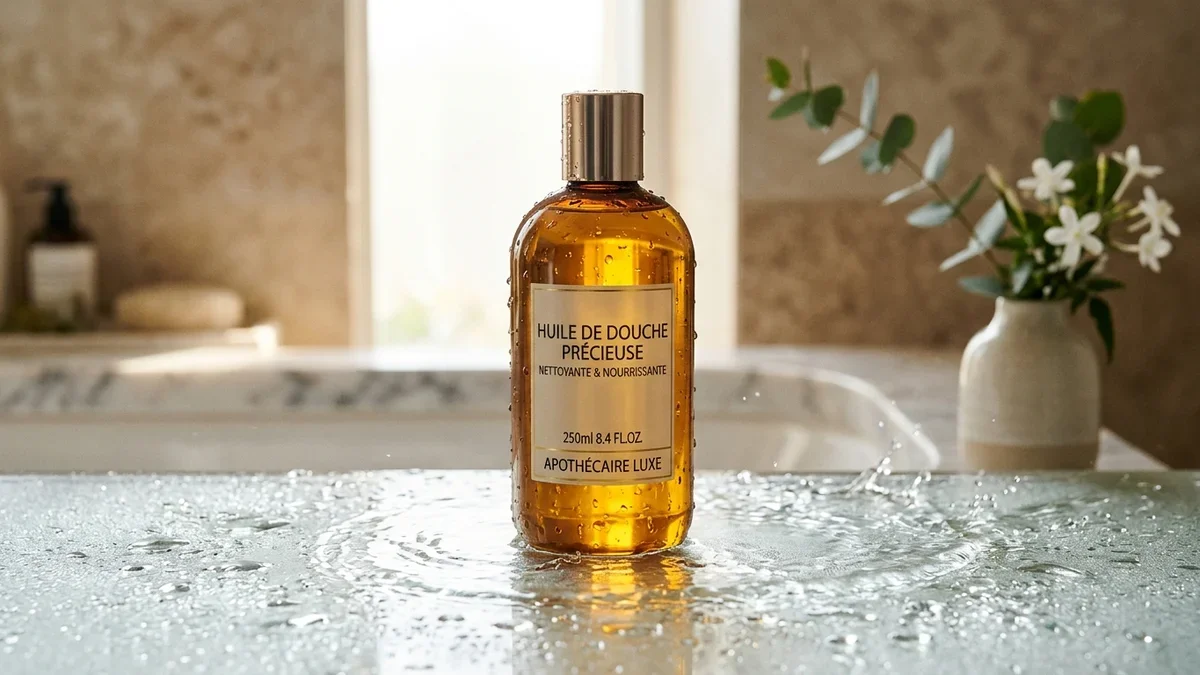
Shower Cream Regulation: Formulation & PIF Compliance
Published on 13 July 2026

Shower Cream Regulation: Formulation & PIF Compliance

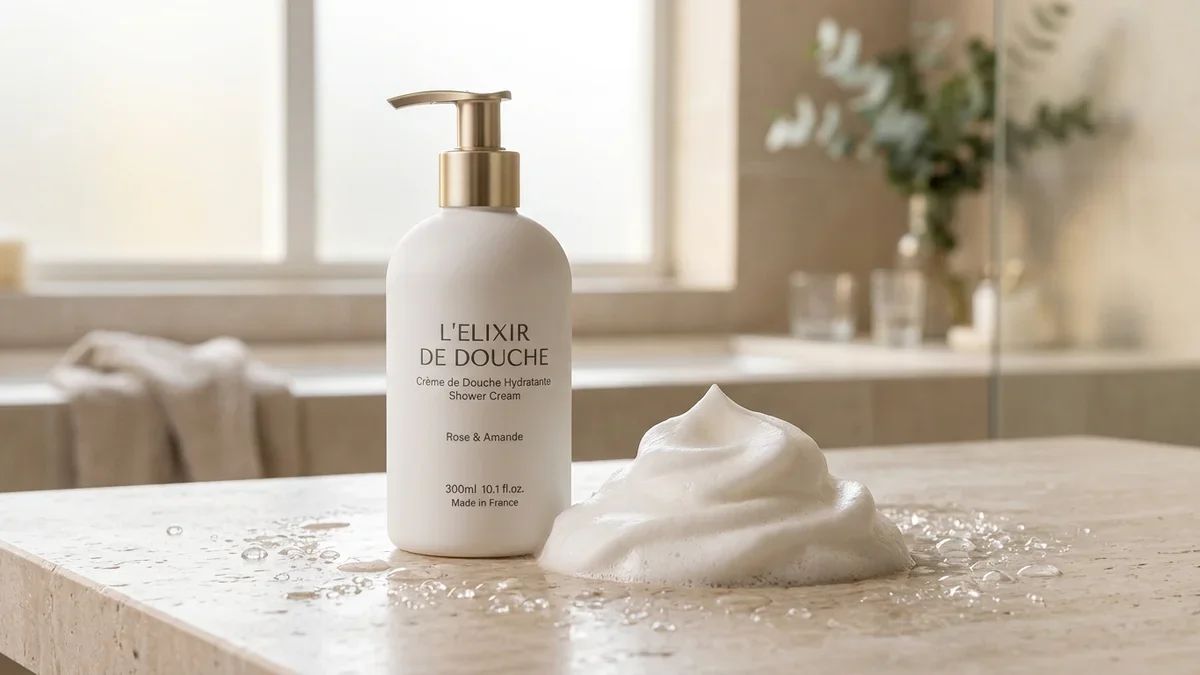
Shower cream regulation: gentle cleansing formulation, lipid-replenishing agents, and EU regulatory requirements. Shower creams and body cleansing milks are ideal for dry and sensitive skin, combining mild surfactants with nourishing plant lipids. Commercializing these rinse-off cosmetics in the European Union requires rigorous microbiological safety, challenge testing, and ocular tolerance validation under Regulation (EC) No 1223/2009. Here is our comprehensive compliance guide.
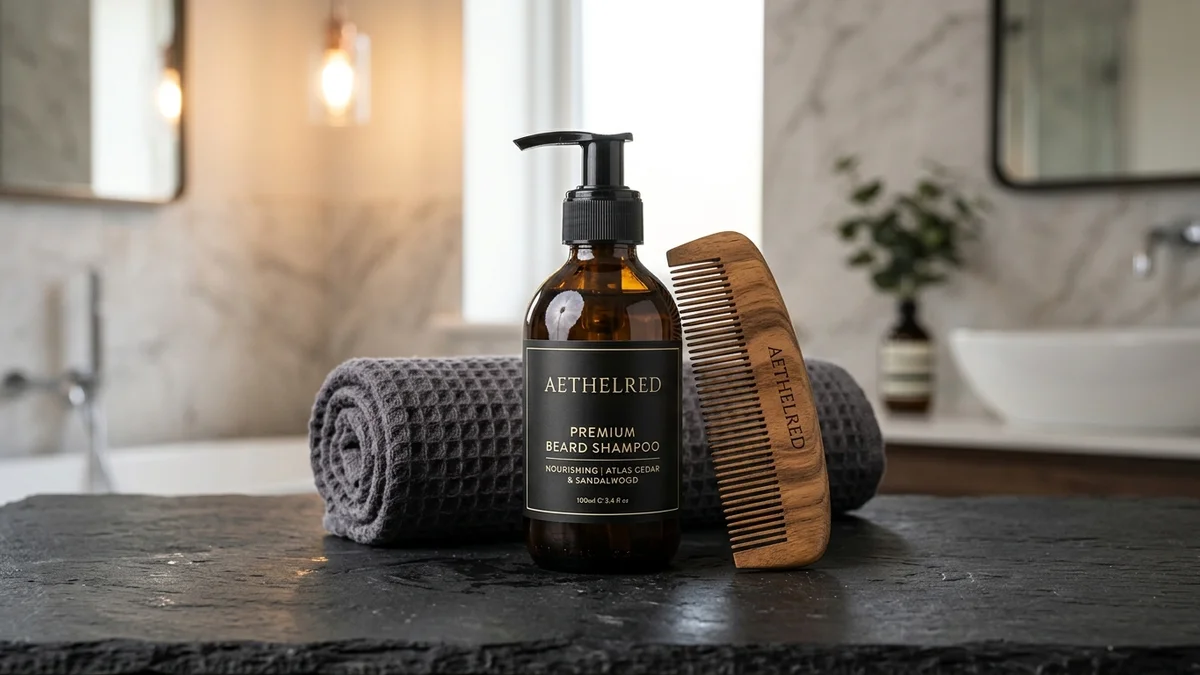
Body Cream Regulation: Formulation & PIF Compliance
Published on 13 July 2026

Body Cream Regulation: Formulation & PIF Compliance

Body cream regulation: formulation guidelines, skin hydration requirements, and EU PIF safety standards. Body lotions and moisturizing creams cover vast cutaneous surface areas daily. Under Regulation (EC) No 1223/2009, this extensive dermal exposure necessitates rigorous toxicological calculations, strict preservative screening, and Margin of Safety (MoS) validations. Discover our expert guide to bringing body creams lawfully to the European market.

Men's Body Cream: Formulation & PIF Compliance
Published on 13 July 2026

Men's Body Cream: Formulation & PIF Compliance

Men's body cream: specific formulation guidelines, lightweight fast-absorbing textures, and EU regulatory requirements. Men's body care is a rapidly expanding segment with distinct physiological preferences. Men generally have thicker skin with higher sebaceous gland activity and denser body hair, demanding non-greasy, fast-absorbing fluid emulsions. In Europe, launching men's body care requires a compliant Product Information File (PIF) under Regulation (EC) No 1223/2009.
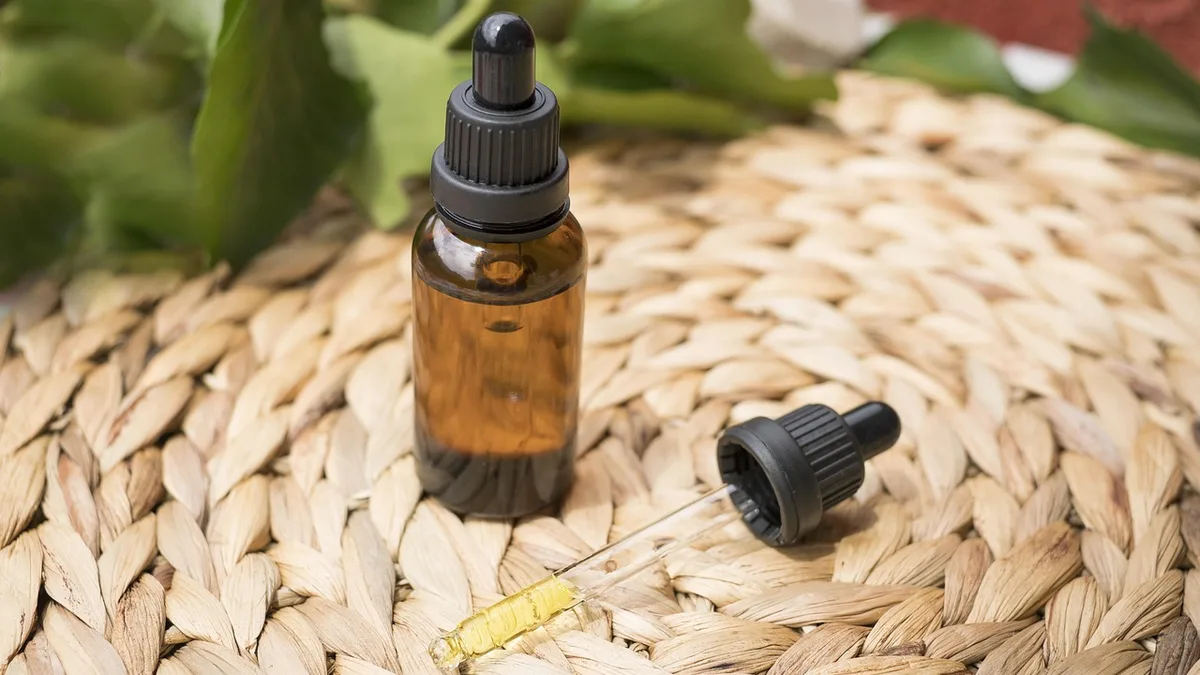
Women's Body Cream: Formulation & PIF Compliance
Published on 13 July 2026

Women's Body Cream: Formulation & PIF Compliance

Women's body cream: sensory formulation guidelines and EU PIF regulatory safety requirements. Women's body care is a premium cosmetic category emphasizing sensory elegance, velvety textures, and targeted active efficacy (firming, satin glow, deep hydration). In the European Union, large-surface leave-on cosmetics are subject to strict systemic exposure calculations and endocrine disruptor screening under Regulation (EC) No 1223/2009. Discover our expert guide.
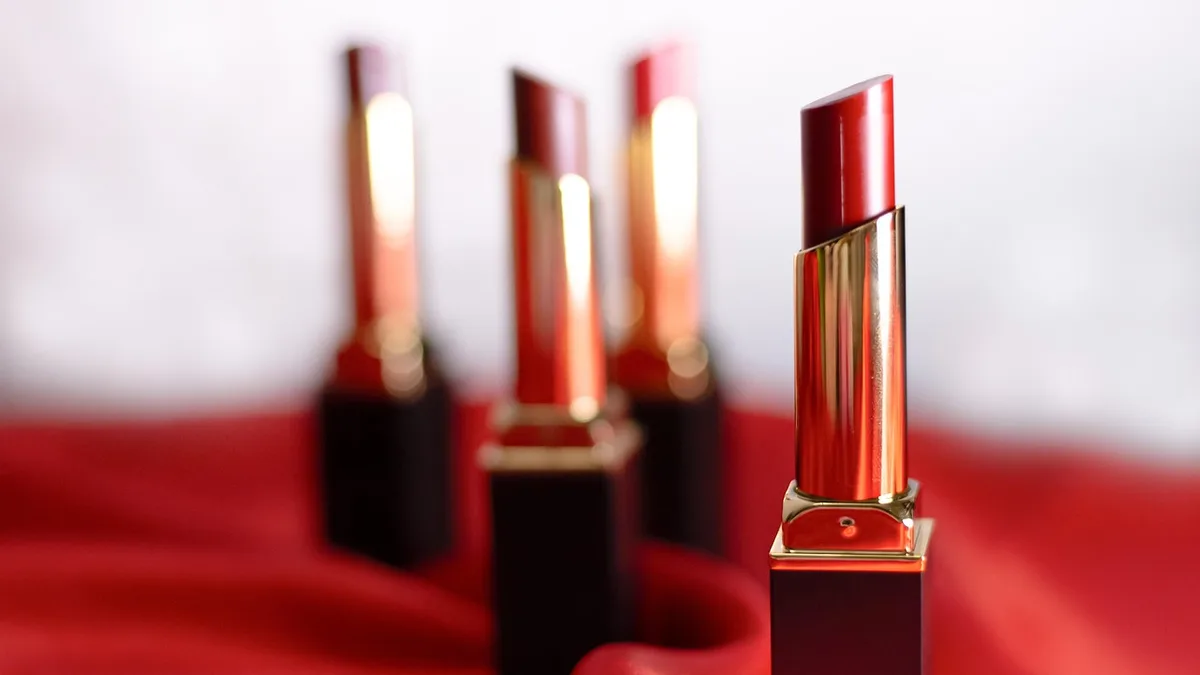
Pregnancy Body Cream: Formulation & Safety Assessor Review
Published on 13 July 2026

Pregnancy Body Cream: Formulation & Safety Assessor Review

Pregnancy body cream: safe formulation principles and EU PIF regulatory requirements. Pregnancy involves profound hormonal, immunological, and biomechanical transformations, making skin vulnerable to stretch marks and dehydration. Formulating for expectant and nursing mothers requires exceptional toxicological prudence: exclusion of retinoids, avoidance of neurotoxic essential oils, and strict Margin of Safety (MoS) validations under Regulation (EC) No 1223/2009.
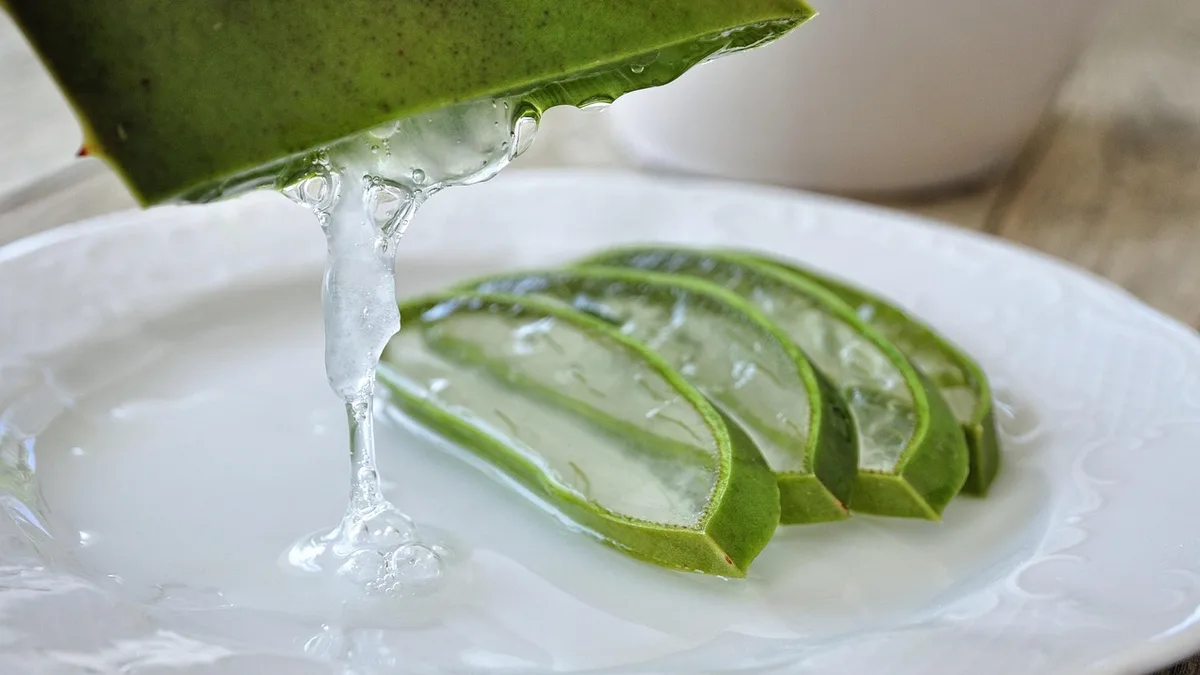
Children's Body Cream: Pediatric Safety & PIF Compliance
Published on 13 July 2026

Children's Body Cream: Pediatric Safety & PIF Compliance

Children's body cream: pediatric formulation guidelines and EU PIF regulatory safety requirements. The skin of babies and young children is anatomically immature: thinner stratum corneum, high surface-to-body-weight ratio, and evolving metabolic clearance. Regulation (EC) No 1223/2009 imposes explicit statutory requirements for cosmetics intended for children under 3 years old. Discover our expert guide to pediatric cosmetic safety and PIF compliance.

Launch a Cosmetic Brand in the EU: Complete 2026 Regulatory Guide
Published on 13 July 2026

Launch a Cosmetic Brand in the EU: Complete 2026 Regulatory Guide

How to launch a cosmetic brand in the European Union: key regulatory milestones, development costs, and compliance steps. Creating your own cosmetic line - from botanical skincare and cold-process soaps to niche perfumes - is a thrilling entrepreneurial venture. However, bringing cosmetic goods to the EU market requires total compliance with Regulation (EC) No 1223/2009. Here is your roadmap to success.
Eye Contour Skincare: Formulation & PIF Compliance
Published on 13 July 2026

Eye Contour Skincare: Formulation & PIF Compliance

Eye contour skincare: specific formulation guidelines and EU regulatory requirements. The periorbital eye contour is the thinnest and most sensitive cutaneous zone on the human face, characterized by high capillary vascularization and direct proximity to ocular mucous membranes. Commercializing eye creams, gels, and serums under Regulation (EC) No 1223/2009 requires strict pH calibration and in vitro ocular tolerance testing.

Blemish-Prone Skin Care: Formulation, Legal Claims & PIF
Published on 13 July 2026

Blemish-Prone Skin Care: Formulation, Legal Claims & PIF

Blemish-prone skin care: natural active formulation principles, legal marketing claims, and EU PIF requirements. Acne and blemish-prone skin affect millions of consumers. While natural actives like tea tree, zinc PCA, and niacinamide are highly effective, European cosmetics regulation strictly prohibits therapeutic drug claims. Discover how to formulate and market compliant blemish care under Regulation (EC) No 1223/2009.

Dry Feet Scrub Formulation: From Recipe to EU PIF Compliance
Published on 13 July 2026

Dry Feet Scrub Formulation: From Recipe to EU PIF Compliance

Dry feet scrub formulation: natural recipe, exfoliating mechanics, and legal obligations to sell in the EU. Cracked heels, thickened skin, and calluses demand robust natural exfoliation. Turning an artisanal homemade foot scrub recipe into a legally marketable cosmetic requires establishing a compliant PIF, proving stability, and securing CPSR approval under Regulation (EC) No 1223/2009. Here is your complete guide.

How to Manufacture Cosmetics Legally: EU Regulatory Guide
Published on 13 July 2026

How to Manufacture Cosmetics Legally: EU Regulatory Guide

How to manufacture cosmetics legally: from handcrafted laboratory workshop to lawful EU market launch. Creating your own cosmetic product - cold-process soap, body balm, face serum, or shampoo - requires moving beyond DIY home experimentation. European cosmetics regulation imposes strict Good Manufacturing Practices (ISO 22716), raw material qualification, and safety certification under Regulation (EC) No 1223/2009. Here is your roadmap.
Hair Clarifying Guide: Natural Hair Detox & EU Regulation
Published on 13 July 2026

Hair Clarifying Guide: Natural Hair Detox & EU Regulation

Hair clarifying guide: understanding natural hair detox formulations and European regulatory standards. Over time, shampoos, conditioners, and styling waxes leave cumulative residues, dulling hair fibers. Hair clarifying treatments - based on gentle surfactants, chelating agents, or mineral clays like rhassoul - effectively reset the hair fiber. Discover the formulation rules and PIF requirements under Regulation (EC) No 1223/2009.
Clarifying Shampoo Regulation: Complete Technical Dossier & PIF
Published on 13 July 2026

Clarifying Shampoo Regulation: Complete Technical Dossier & PIF

Clarifying shampoo regulation: complete technical dossier structure and safety requirements. Bringing a hair clarifying cosmetic to market in the EU requires assembling an exhaustive Product Information File (PIF). From chelating active controls and raw material certificates to ISO 11930 challenge tests and CPNP notification, discover the full compliance roadmap under Regulation (EC) No 1223/2009.

Beard & Hair Wax: Natural Formulation & PIF Compliance
Published on 13 July 2026

Beard & Hair Wax: Natural Formulation & PIF Compliance

Beard and hair wax regulation: natural formulation principles and EU PIF compliance. Beard waxes, styling pomades, and grooming balms are flagship men's grooming cosmetics. Formulated as anhydrous lipid matrices of waxes, butters, and plant oils, these products benefit from microbiological challenge test exemptions under ISO 29621. Discover how to market your beard wax legally under Regulation (EC) No 1223/2009.
Cosmetic Challenge Test: Preservative Efficacy (ISO 11930) Explained
Published on 13 July 2026

Cosmetic Challenge Test: Preservative Efficacy (ISO 11930) Explained

Cosmetic challenge test: the preservative efficacy test (ISO 11930) decrypted for cosmetic brands and formulators. Among mandatory laboratory tests required under Regulation (EC) No 1223/2009, the challenge test verifies that your preservative system protects consumers against bacterial and fungal proliferation over 28 days. Discover how the test works, evaluation criteria, and exemptions under ISO 29621.
Cosmetic GMP (ISO 22716): Complete Guide to Good Manufacturing Practices
Published on 13 July 2026

Cosmetic GMP (ISO 22716): Complete Guide to Good Manufacturing Practices

Cosmetic GMP: complete guide to Good Manufacturing Practices under ISO 22716. In the cosmetics industry, product quality and safety are intrinsically tied to manufacturing hygiene and process control. Article 8 of Regulation (EC) No 1223/2009 makes compliance with ISO 22716 Good Manufacturing Practices a strict legal requirement for all cosmetic manufacturers. Discover the 17 chapters and practical compliance steps.

Lip Balm Regulation: Formulation Guide & PIF Compliance
Published on 13 July 2026

Lip Balm Regulation: Formulation Guide & PIF Compliance

Lip balm regulation: protective formulation principles, oral ingestion toxicology, and EU PIF requirements. Lip balms and conditioning sticks protect the delicate vermilion border of the lips. Under Regulation (EC) No 1223/2009, lip care products are subject to unique toxicological scrutiny due to involuntary oral ingestion (estimated at 57 mg/day by the SCCS). Discover how to formulate and certify compliant lip care.

Cosmetic GMP Compliance Check: ISO 22716 Good Manufacturing Verification
Published on 13 July 2026

Cosmetic GMP Compliance Check: ISO 22716 Good Manufacturing Verification

Cosmetic GMP compliance check: how to prepare, verify, and master your Good Manufacturing Practices under ISO 22716. Article 8 of Regulation (EC) No 1223/2009 requires all cosmetic production facilities to conform to Good Manufacturing Practices. Whether preparing for competent authority inspections (ANSM/DGCCRF) or qualifying contract manufacturers, discover our comprehensive compliance check roadmap.

Hair Conditioner Regulation: Formulation & PIF Compliance
Published on 13 July 2026

Hair Conditioner Regulation: Formulation & PIF Compliance

Hair conditioner regulation: formulation principles, key conditioning agents, and EU regulatory standards. Hair conditioners and detangling balms are vital components of hair care routines, smoothing cuticle scales and eliminating electrostatic charges. Under Regulation (EC) No 1223/2009, cationic surfactants and high-water content demand strict Annex III concentration compliance and microbiological challenge testing. Discover our expert guide.

Cosmetic PIF Regulatory Updates 2026: New EU Rules & Deadlines
Published on 13 July 2026

Cosmetic PIF Regulatory Updates 2026: New EU Rules & Deadlines

Cosmetic PIF regulatory updates 2026: all the European regulatory changes impacting your Product Information Files. European cosmetics regulation is a dynamic, continuously evolving framework. From microplastics restrictions and new fragrance allergen declarations to SCCS opinions on UV filters and Vitamin A caps, discover what cosmetic brands and Responsible Persons must do to keep PIFs compliant.

Cosmetic PIF Regulatory Support: Turnkey End-to-End Guidance
Published on 13 July 2026

Cosmetic PIF Regulatory Support: Turnkey End-to-End Guidance

Cosmetic PIF regulatory support: personalized end-to-end guidance from formulation concept to lawful market launch. Compiling a European Product Information File (PIF) can appear daunting for beauty entrepreneurs and independent creators. Discover how Ecosmet's regulatory affairs team and qualified Safety Assessor streamline your path to full compliance under Regulation (EC) No 1223/2009.