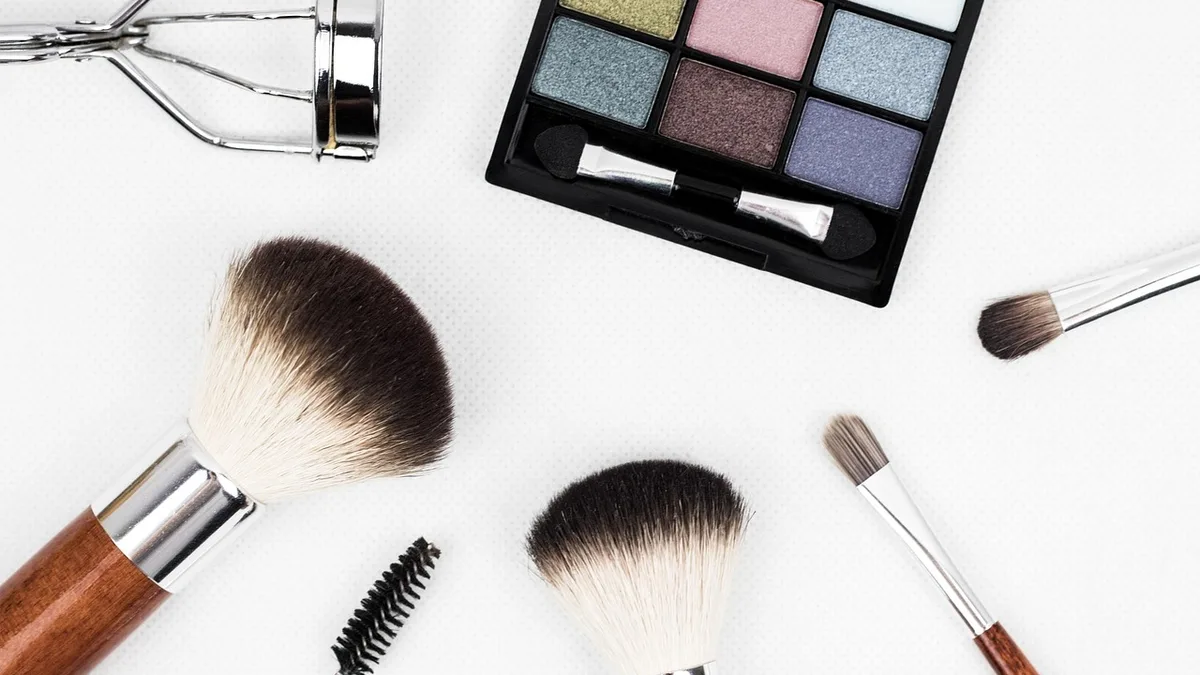
Makeup & Shaving PIF: Regulatory Compliance and Safety Assessment of Color Cosmetics and Shaving Products
The world of makeup (complexion products, eyeshadows, mascaras, lipsticks, nail polishes) and shaving care (shaving foams, shaving oils, depilatory creams) combines vibrant artistic creativity with major technical constraints. Incorporating color pigments and solvents, alongside application to sensitive anatomical areas (eyelids, lips, freshly shaved skin), demands an in-depth toxicological safety evaluation. To legally market your cosmetic range across the European Union and the UK, you must compile a comprehensive Product Information File (PIF) compliant with Regulation (EC) No 1223/2009. Here is our expert regulatory compliance guide.
💡 Launching a makeup or shaving care range? Calculate your regulatory time-to-market budget in 2 minutes with our online quote configurator.
Specific Toxicological Safety Evaluation Criteria for Makeup and Shaving Products
During the drafting of the Cosmetic Product Safety Report (CPSR - Part A and Part B) for your color cosmetics or shaving products, our Cosmetic Safety Assessor pays meticulous attention to several critical safety parameters:
- Compliance of Colorants and Pigments (Annex IV): Only colorants explicitly listed in Annex IV of EU Regulation (EC) No 1223/2009 are permitted in cosmetic products. Furthermore, numerous colorants carry field-of-application restrictions: some are allowed only in rinse-off products, while others are strictly prohibited in eye products (eyeshadows, mascaras) or on lip mucous membranes (lipsticks). The Safety Assessor rigorously cross-checks the regulatory destination of each pigment used.
- Purity of Mineral Pigments (Heavy Metal Impurities): Natural mineral pigments (iron oxides, titanium dioxide, mica) may contain elemental impurities in the form of heavy metals (lead, arsenic, cadmium, mercury). The manufacturer must supply batch-specific Certificates of Analysis (CoA) demonstrating that heavy metal traces remain well below safety thresholds recognized across the EU (guidelines from the BfR and SCCS).
- Shaving Products and Depilatory Creams: Shaving formulations (alkaline pH, foaming surfactants) and depilatory creams (containing thioglycolic acid and its salts) are applied to skin subjected to mechanical abrasion or micro-cuts. Dermal irritation evaluation is heightened, and mandatory regulatory warning statements must be displayed on labeling in accordance with Annex III.
The makeup and shaving PIF compiles this exhaustive formulation, analytical purity, and toxicological safety data. To understand the overall administrative architecture of your regulatory dossier, consult our comprehensive guide dedicated to the cosmetic PIF.
🔬 Insights from our Cosmetic Safety Assessor
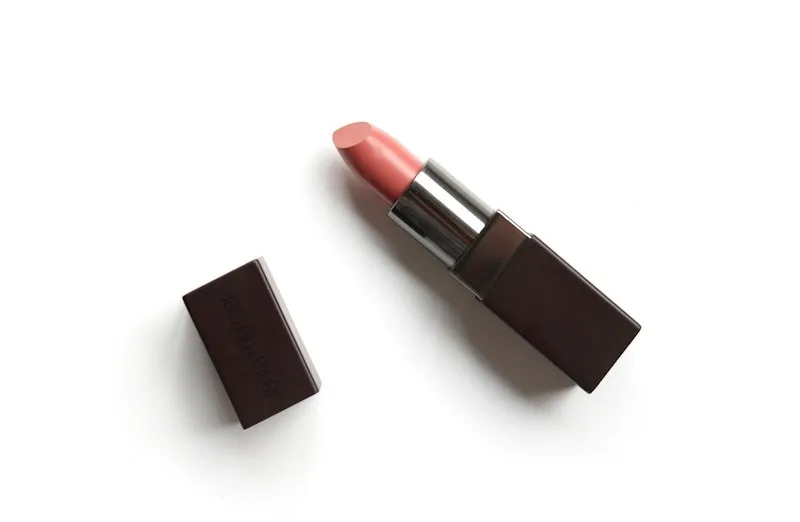
"Lip makeup (lipsticks, lip glosses, balms) carries a unique exposure pattern: involuntary ingestion of the product. The SCCS notes that a regular consumer ingests approximately 57 mg of lip product per day. Systemic Exposure Dosage (SED) calculations in the CPSR must fully incorporate this oral intake rate. Substances with acute or chronic oral toxicity profiles are evaluated with utmost stringency. Moreover, pearlescent micas used for shimmer effects must undergo documented technical and ethical traceability controls to verify their purity."
Structure of the Product Information File (PIF) for Makeup and Shaving Ranges
To validate your makeup range for legal sale, the compliance dossier retained within your facility must include:
- Complete qualitative and quantitative formulation data (INCI nomenclature) for every individual shade.
- The Cosmetic Product Safety Report (CPSR Parts A and B) drafted and signed by our qualified Safety Assessor under Article 10(2).
- Official declaration of compliance with Good Manufacturing Practices (Cosmetic GMP / ISO 22716) issued by the manufacturing facility or contract filler.
- Test reports covering physicochemical stability and packaging compatibility.
- Official CPNP notification registration receipt.
Our team guides and supports you through each of these regulatory milestones. To review our pricing packages and calculate the validation of your product catalog, check our customized PIF services.
⚠️ 3 Frequent Compliance Pitfalls in Makeup and Shaving Products
- Using Titanium Dioxide (TiO2) in Nano Form in Sprays: Titanium dioxide in nanomaterial form (CI 77891 [nano]) is strictly prohibited in aerosol or spray formulations that could lead to respiratory tract exposure (due to carcinogenic risks via inhalation).
- Omitting Mandatory Warning Statements for Depilatory Creams: Labels for depilatory creams formulated with thioglycolic acid salts must state: "Contains salts of thioglycolic acid", "Follow the instructions for use", and "Avoid contact with eyes".
- Invalid Purity Documentation for Colored Micas: Incorporating decorative micas sourced from craft suppliers without lot-specific heavy metal analytical certificates prevents the Safety Assessor from signing off on the CPSR.
Regulatory Cross-Linking Across Product Categories
Compliance for your makeup or shaving line is interconnected with adjacent regulatory categories. Depending on the product formats developed, additional regulatory obligations apply:
- For complementary hair and grooming solutions (hair styling lotions, beard waxes), explore our guide on the hair care & beard PIF.
- For associated facial skincare items (face creams, serums), read our guide on the facial skincare PIF.
- For complementary body hygiene essentials (body lotions, massage oils), visit our guide on the body care & hygiene PIF.
Frequently Asked Questions on Makeup PIF Compliance
- Is a microbiological challenge test mandatory for a solid lipstick?
- No. Conventional solid lipsticks are anhydrous formulations composed exclusively of waxes, butters, vegetable oils, and pigments. In the absence of free water (water activity aw < 0.75), they are classified as low microbiological risk products under ISO 29621 and are exempt from preservative challenge testing. Physicochemical stability testing remains mandatory to ensure that the stick does not sweat, soften, or undergo phase separation under thermal stress.
- How is the PIF managed for an eyeshadow palette containing 12 shades?
- A 12-shade eyeshadow palette theoretically contains 12 distinct formulas. However, when the shades share an identical powder foundation base (talc, mica, magnesium stearate) and differ only in pigment concentrations, our Safety Assessor conducts a "common base" safety assessment. This groups toxicological evaluations and significantly lowers total regulatory compliance costs.
- What regulations govern Carbon Black in eyeliners?
- Carbon Black (CI 77266) is an intense black colorant widely used in eyeliners and mascaras. When used in nano form, it is subject to strict conditions under Annex IV of Regulation (EC) No 1223/2009: purity must exceed 97% elemental carbon, and maximum concentration in ready-to-use cosmetics is limited to 10%. The Safety Assessor cross-checks these raw material specifications during the CPSR review.
Configure Your Cosmetic PIF Project Live
Calculate your EU Cosmetic PIF & CPSR Price
Select your profile, galenic formula type, and laboratory test status to get an instant, transparent regulatory estimate.