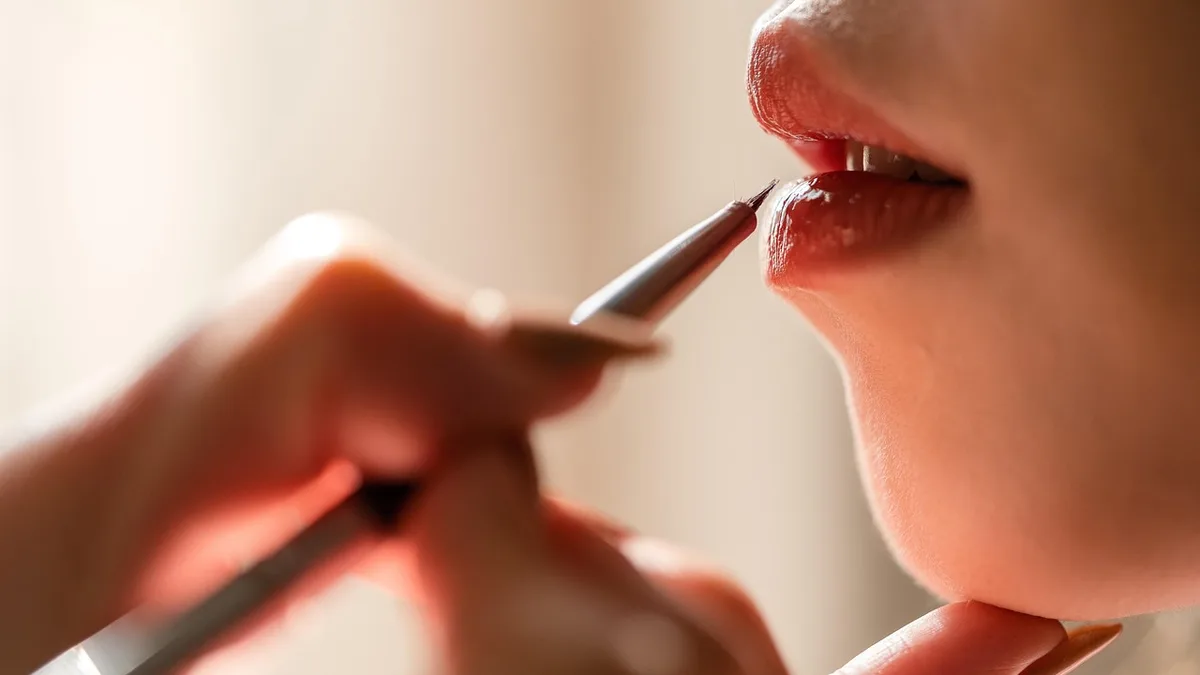
Lip Makeup: Protective Formulation, Oral Safety, and EU Regulatory Requirements
Lip makeup products (lipsticks, lip glosses, lip liners, lip stains) represent an essential beauty category. However, applying these products to thin, highly permeable semi-mucous oral tissue comes with unavoidable, repeated ingestion throughout the day. Marketing these cosmetic formulas across the European Union demands strict adherence to rigorous toxicological safety standards under Regulation (EC) No 1223/2009. From selecting food-grade and mineral colorants to conducting oral exposure assessments, discover our complete compliance guide.
💡 Launching a lip makeup range? Ensure the regulatory compliance of your formulas. Estimate your costs in 2 minutes with our online configurator.
Specific Physiological Considerations in Lip Makeup Safety Assessment
Lip products undergo targeted toxicological review by our Cosmetic Safety Assessor during the preparation of the Cosmetic Product Safety Report (CPSR):
- Structure of the Labial Mucosa: The skin of the lips is exceptionally delicate, devoid of sebaceous glands and lacking a robust protective stratum corneum. This unique histology makes it highly permeable to applied chemical compounds.
- Exposure via Oral Ingestion: The SCCS estimates that consumers of lip cosmetics ingest an average of 57 milligrams of product per day. This chronic involuntary ingestion imposes safety standards aligned with food contact principles.
- Fragrance and Flavor Allergens: Lip formulas frequently include synthetic or natural flavoring agents (aromas). If a formulation contains declarable allergens (such as limonene, linalool, or benzyl cinnamate) above 0.001%, they must be declared in the INCI list.
Validating these formulations requires compiling an exhaustive cosmetic PIF. To understand the general requirements for decorative cosmetics, see our overview on makeup regulatory compliance.
🔬 Insights from our Cosmetic Safety Assessor
"Due to repeated oral ingestion, mineral oil saturated hydrocarbons (MOSH) and mineral oil aromatic hydrocarbons (MOAH) are under intense regulatory monitoring. The Safety Assessor requires suppliers of petrolatum or paraffin wax used in glosses to submit pharmacopoeia-grade purity certificates certifying the total absence of carcinogenic MOAH fractions. Formulating with natural vegetable oils (castor oil, coconut oil, jojoba wax) eliminates this concern and streamlines CPSR sign-off."
Regulatory Steps to Ensure Compliance for Lip Makeup Ranges
To market your lip cosmetics legally in France and the wider EU market, follow these essential steps:
- Stability and Primary Packaging Compatibility: Accelerated thermal stability tests at 40°C over 8 to 12 weeks to confirm that fatty bases do not undergo oxidative rancidity and that lipsticks or glosses do not suffer from syneresis (oil bleeding).
- Cosmetic Product Safety Report (CPSR): Comprehensive evaluation and formal sign-off by our qualified expert, with strict heavy metal limits verified for all colorant batches.
- CPNP Registration: Mandatory electronic notification of the finished cosmetic product before placing it on the market.
Our team offers full regulatory support packages. Check our pricing tiers and scope of work in our PIF services section.
⚠️ 3 Frequent Compliance Pitfalls in Lip Makeup
- Using Colorants Prohibited for Oral Mucous Membranes: Certain pigments authorized for eye makeup (such as chromium oxide green, CI 77288) are strictly prohibited in lip cosmetics under Annex IV of Regulation (EC) No 1223/2009.
- Omitting Flavor Allergen Disclosures: Fruity or mint flavoring blends frequently contain allergenic molecules that must be itemized in the INCI list when exceeding 0.001%.
- Rancidity in Vegetable Oils: Lip gloss formulas packed with unsaturated vegetable oils without sufficient antioxidant protection (tocopherol / vitamin E) oxidize rapidly, altering scent, color, and dermal tolerance.
Regulatory Cross-Linking Across Product Categories
If your brand also formulates adjacent decorative products, consult our associated guides:
- For powder blush formulations, explore our guide on blush powder regulation.
- For liquid foundations, visit our guide on liquid foundation PIF.
- For complexion illuminators, check our guide on highlighter makeup PIF.
Frequently Asked Questions on Lip Makeup Regulations
- Does a lip gloss require a microbiological challenge test?
- Lip glosses formulated as anhydrous liquid wax/oil blends contain no free water and are classified as low microbiological risk products under ISO 29621, exempting them from challenge testing. Conversely, if a gloss is an emulsion containing an aqueous phase, a preservative efficacy challenge test under ISO 11930 is mandatory.
- Is synthetic red colorant CI 15850 permitted in lip cosmetics?
- Yes. CI 15850 (D&C Red No. 6 / D&C Red No. 7) is an authorized synthetic lake pigment listed in Annex IV of EU Regulation (EC) No 1223/2009. The Safety Assessor validates its use provided batch certificates demonstrate compliance with heavy metal limits and purity specifications.
- How do you validate a "plumping" claim for lip gloss?
- A "plumping" or lip-volumizing claim typically relies on hydrating actives (hyaluronic acid microspheres) or sensory stimulants (menthyl lactate, capsaicin extract) that induce mild microcirculation enhancement. To substantiate this claim in Part B of the PIF, instrumental clinical measurements (fringe projection or 3D profilometry) or consumer testing on volunteer panels must be documented.
Configure Your Cosmetic PIF Project Live
Calculate your EU Cosmetic PIF & CPSR Price
Select your profile, galenic formula type, and laboratory test status to get an instant, transparent regulatory estimate.