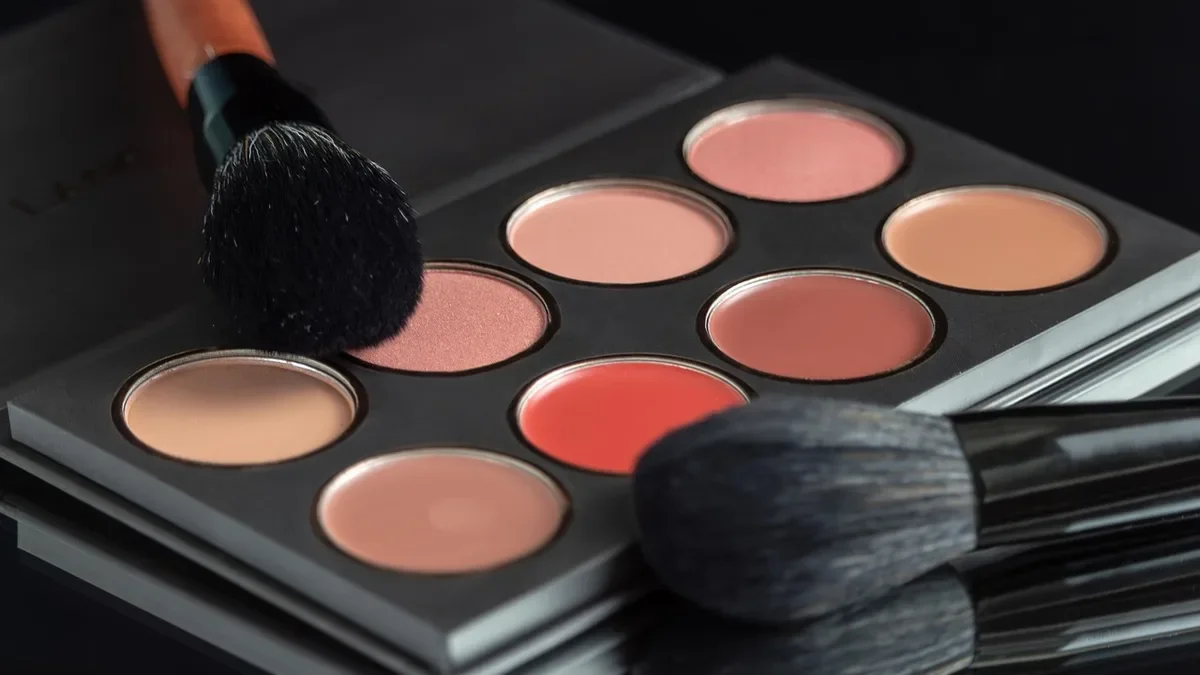
Complexion Makeup: Safe Formulation, Pigments, and EU Regulatory Requirements
Complexion makeup products (liquid foundations, compact powders, concealers, blushers, highlighters) represent a major volume in the beauty industry. Applied daily over broad cutaneous surfaces across the face and neck, these cosmetic products are subject to rigorous safety evaluations in Europe under Regulation (EC) No 1223/2009. From mineral pigment purity to calculating toxicological margins of safety, explore our comprehensive guide to formulating and marketing complexion cosmetics.
💡 Launching a complexion makeup range? Ensure the regulatory compliance of your formulas. Estimate your costs in 2 minutes with our online configurator.
Physiological Considerations in Complexion Makeup Safety Assessment
Complexion cosmetics receive meticulous toxicological evaluation from our Cosmetic Safety Assessor during the preparation of the Cosmetic Product Safety Report (CPSR):
- Extensive Cutaneous Surface Exposure: The SCCS notes that an adult consumer applies on average 1.5 to 2.0 grams of complexion product per day over a facial surface area of approximately 560 cm². This extensive surface exposure increases the Systemic Exposure Dose (SED) of each constituent ingredient.
- Skin Barrier Tolerance: The facial epidermis is exposed to wind, cold, UV radiation, and environmental stress. An unsuitable foundation formula may clog pores (comedogenicity) or induce irritant contact dermatitis.
- Integrated Sunscreens (SPF Claims): Many modern foundations claim UV protection. Sunscreen filters (mineral or organic) must be authorized in Annex VI of Regulation (EC) No 1223/2009 and respect strict concentration limits.
Regulatory clearance requires compiling a complete cosmetic PIF. For a macro-level perspective on decorative cosmetics, read our guide on makeup regulatory compliance.
🔬 Insights from our Cosmetic Safety Assessor
"Due to the substantial surface area covered on the face, the Margin of Safety (MoS) for every ingredient must be calculated with rigorous precision. Heavy metals (lead, arsenic, mercury) present as trace impurities in iron oxide pigments must be documented through strict purity certificates. In addition, cutaneous tolerance testing (patch tests) and non-comedogenicity assessments are strongly advised to reinforce the PIF."
Regulatory Steps to Ensure Compliance for Complexion Makeup
To market your complexion range legally across France and the EU, you must complete the following stages:
- Stability and Primary Packaging Compatibility: Accelerated thermal stability tests at 40°C over 8 to 12 weeks to ensure that emulsions do not phase-separate and pigments do not settle.
- Preservative Challenge Test: Mandatory for all fluid aqueous formulations (liquid foundations, fluid concealers) under ISO 11930 to confirm antimicrobial efficacy.
- Cosmetic Product Safety Report (CPSR): Toxicological assessment and formal sign-off by our qualified expert, including in-depth calculations for fragrance allergens.
- CPNP Registration: Mandatory notification of every finished cosmetic shade on the CPNP portal prior to commercial launch.
Our team delivers turnkey regulatory solutions for indie brands and labs. Explore our pricing and service details on our PIF services page.
⚠️ 3 Frequent Compliance Pitfalls in Complexion Makeup
- Failing to Declare Fragrance Allergens: If a perfume blend contains linalool, limonene, or other regulated allergens above 0.001% (leave-on threshold), they must appear explicitly in the INCI list.
- Using Uncertified Cosmetic Talc: Talc raw materials must be accompanied by analytical certificates confirming the total absence of asbestos fibers.
- Unsubstantiated SPF Sun Protection Claims: Claiming a sun protection factor (such as SPF 15 or SPF 20) without in vivo clinical test reports in accordance with ISO 24444 is strictly prohibited.
Regulatory Cross-Linking Across Product Categories
If you also develop adjacent facial grooming or hair removal lines, consult our specialized guides:
- For associated men's grooming essentials, see our guide on shaving foam regulation.
- For chemical hair removal formulas, see our guide on depilatory cream regulation.
- For regulatory standards on waxing and epilation, visit our guide on hair removal wax PIF.
Frequently Asked Questions on Complexion Makeup Regulations
- Is container-content compatibility testing required for airless pump bottles?
- Yes. Fluid foundations are increasingly packed in airless pump containers to shield the formula from oxidation. During accelerated stability testing (8 to 12 weeks at 40°C), the laboratory verifies that the formula does not interact chemically with the plastic piston and that the dispensing mechanism functions smoothly without clogging or pressure drops.
- Can nano-grade titanium dioxide be used in liquid foundations?
- Titanium dioxide (CI 77891) in nano form is authorized as a mineral UV filter under Annex VI of Regulation (EC) No 1223/2009, provided it satisfies strict purity and coating criteria. When incorporated, it must be designated as [nano] in the INCI list and is subject to specific notification parameters.
- How do you substantiate a "non-comedogenic" claim?
- The claim "non-comedogenic" indicates that the cosmetic product does not foster the formation of comedones (blackheads or whiteheads). To substantiate this claim in Part B of the PIF, clinical in-use trials under dermatological control are conducted on volunteers with oily or blemish-prone skin, counting micro-comedones before and after 28 consecutive days of application.
Configure Your Cosmetic PIF Project Live
Calculate your EU Cosmetic PIF & CPSR Price
Select your profile, galenic formula type, and laboratory test status to get an instant, transparent regulatory estimate.