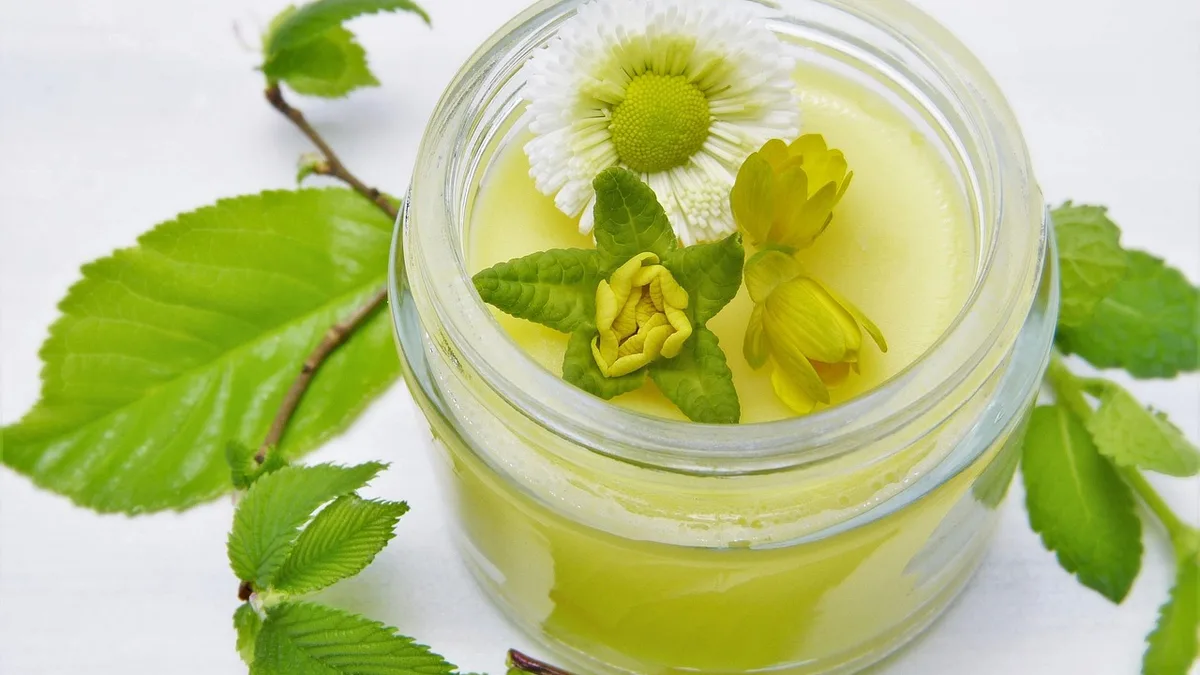
Hand Cream Regulation: Protective Formulation, Barrier Effect, and PIF Safety Standards
Our hands endure constant exposure to harsh external stressors: cold temperatures, dry wind, frequent hand washing, domestic detergents, and hydroalcoholic sanitizers. These daily aggressions erode the skin's protective hydrolipidic film, triggering xerosis, chapping, micro-fissures, and irritation. Developing a high-performance repairing, protective, or nourishing hand cream requires marrying deep humectants with hydrophobic film-forming agents without leaving a sticky or greasy residue. In Europe, placing these leave-on formulations on the market requires compiling a rigorous Product Information File (PIF) under Regulation (EC) No 1223/2009. Here is our complete regulatory guide.
💡 Launching a restorative hand cream, barrier balm, or cuticle treatment? Ensure the regulatory compliance of your leave-on formulas. Estimate your costs in 2 minutes with our configurator.
The Chemistry of Hand Creams: Hydration, Nourishment, and Barrier Protection
A superior hand cream must absorb rapidly into the skin while establishing a protective, invisible breathable shield. It balances three complementary functional classes:
- Humectants (water binding): Glycerin (INCI: Glycerin) serves as the benchmark active, often dosed at 10% to 20% in barrier creams to retain moisture within the epidermal stratum corneum.
- Emollients (nourishment): Botanical oils (sweet almond, avocado, jojoba) and plant butters (shea, cocoa) that replenish lipid reserves and smooth rough, chapped skin.
- Film-forming barrier agents: Beeswax (INCI: Cera Alba), carnauba wax, or silicone derivatives (in conventional lines) that establish a hydrophobic barrier protecting epidermal tissues from repeated water and detergent contact.
The hand cream PIF gathers all formulation specifics, raw material certificates, and toxicological findings. To review fundamental regulatory expectations for body care lines, consult our guide on the body care and hygiene PIF and our pillar dossier on the cosmetic PIF.
🔬 Cosmetic Safety Assessor Insights
"Hand creams are leave-on cosmetics applied repeatedly throughout the day. SCCS guidance establishes a daily dermal exposure metric of 2.16 grams per day for a 60 kg adult across a surface area of 860 cm². When calculating systemic exposure dosages (SED) and Margins of Safety (MoS) within the CPSR, our qualified Safety Assessor accounts for this cumulative daily application rate. Furthermore, because hands frequently present micro-fissures or compromised barrier function, selecting strictly non-irritating, low-sensitizing ingredients is paramount to ensuring cutaneous safety."
Step-by-Step Regulatory Compliance for Hand Creams
To legally market your hand cream in France, the European Union, or Switzerland, complete the following milestones:
- Stability and container compatibility testing: Accelerated testing at 40°C for 8 to 12 weeks to ensure emulsion stability and compatibility with packaging materials (plastic tubes or aluminum containers).
- Microbiological challenge testing: Compulsory under ISO 11930 for water-containing creams to demonstrate preservative system robustness against bacterial and fungal contamination.
- Clinical dermatological testing: Human patch testing under dermatological control to substantiate cutaneous tolerance, especially for sensitive or damaged skin claims.
- CPNP notification: Mandatory cosmetic portal notification prior to commercial product distribution.
Our regulatory team provides comprehensive support for your projects. Review our transparent packages and details in our tailored PIF services overview.
⚠️ 3 Common Regulatory Pitfalls in Hand Cream Compliance
- Omitting fragrance allergen labeling: Fragrance allergens (such as linalool, limonene, or geraniol) exceeding 0.001% in leave-on products must be explicitly declared in the INCI list.
- Emulsion thermal instability: If phase separation occurs during accelerated aging at 40°C, the stability criteria are not met, blocking safety sign-off.
- Medical healing or cicatrization claims: Claiming that a cosmetic hand cream heals open wounds or cures dermatitis reclassifies the product into a pharmaceutical medicine. Stick strictly to cosmetic claims ("relieves very dry skin", "protects against chapping").
Interconnected Regulatory Compliance for Your Cosmetic Range
If you also formulate complementary hand, foot, or body care cosmetics, explore our specialized guides:
- For hand exfoliants, review our guide on hand scrub regulation.
- For targeted foot care formulations, consult our guide on foot cream regulation.
- For physical foot scrubs, explore our guide on foot scrub regulation.
Frequently Asked Questions About Hand Cream Regulations
- Is container-content compatibility testing required for aluminum tubes?
- Yes. Restorative hand creams are frequently packaged in collapsible aluminum tubes for retro, apothecary-style branding. During accelerated stability testing (8 to 12 weeks at 40°C), the testing laboratory verifies that formula acidity or active ingredients do not corrode the inner protective lacquer (which could leach trace heavy metals into the formulation) and that crimp seals remain hermetic.
- Can I include urea in my hand cream formulation?
- Urea (INCI: Urea) is an authorized, highly effective humectant. However, at concentrations exceeding 10%, it may produce stinging or irritation on chapped skin. The Safety Assessor checks that the concentration aligns with the intended skin profile and that pH buffering prevents alkaline degradation into ammonia over shelf life.
- How do I substantiate a "water-resistant barrier" claim on hand cream packaging?
- Claiming a "water-resistant barrier effect" requires objective clinical substantiation. The testing laboratory conducts in vivo measurements (such as Trans-Epidermal Water Loss - TEWL - assessments before and after washing hands treated with the cream) to substantiate the persistence of the protective hydrophobic film.

Configure Your Cosmetic PIF Project Live
Calculate your EU Cosmetic PIF & CPSR Price
Select your profile, galenic formula type, and laboratory test status to get an instant, transparent regulatory estimate.