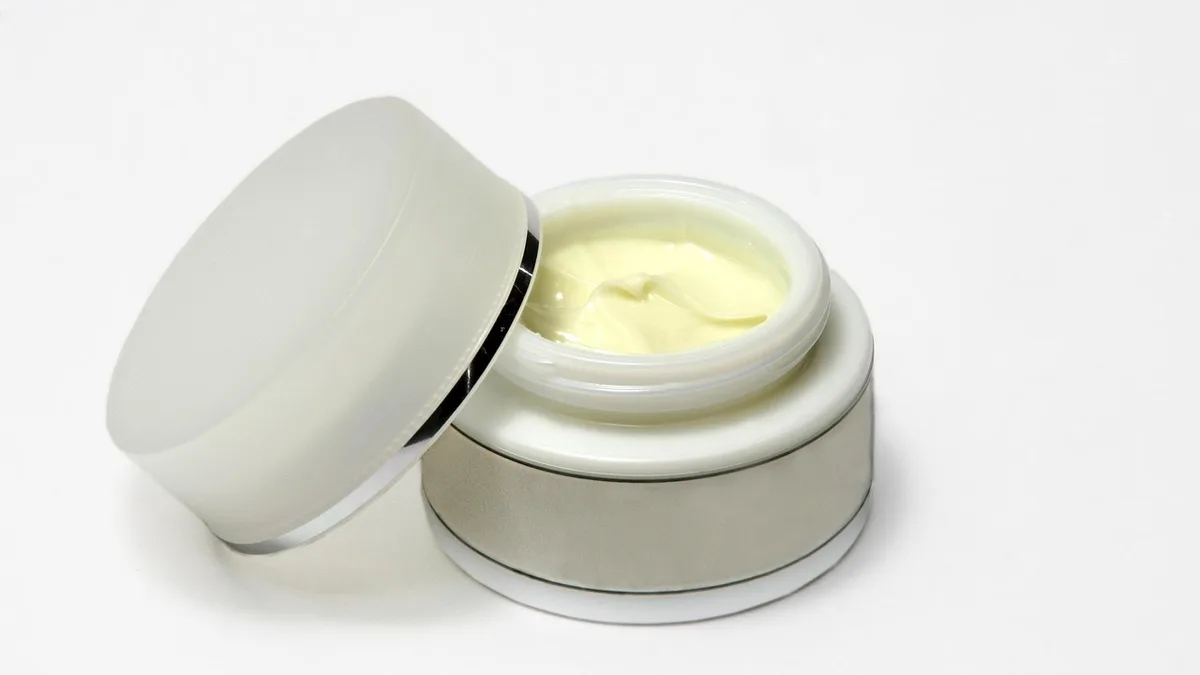
Women's Body Cream: Sensory Formulation, Targeted Actives, and PIF Safety Standards
Women's body care represents a highly sophisticated, sensory-driven cosmetic segment where luxurious skin feel, fast absorption, delicate olfactory signatures, and visible efficacy (firming, elasticity, intense barrier repair) intersect. However, because body creams are leave-on cosmetics applied over broad dermal areas daily, European regulatory oversight is exceptionally rigorous regarding systemic ingredient exposure. Bringing a women's body cream to market in France, the European Union, or Switzerland requires establishing a comprehensive Product Information File (PIF) and a signed Cosmetic Product Safety Report (CPSR) under Regulation (EC) No 1223/2009. Here is our complete regulatory guide.
💡 Formulating a satin body lotion, firming body cream, or rich whipped body butter? Ensure the regulatory compliance of your active ingredients. Estimate your costs in 2 minutes with our configurator.
Toxicological Safety Assessment for Women's Body Care
Formulating an upscale women's body cream involves balancing sophisticated sensory rheology with strict toxicological safety:
- Sensory lipid phases: Noble botanical oils (argan, macadamia, camellia) paired with light plant esters to impart a non-greasy, velvety finish and a radiant satin sheen on skin.
- Targeted functional actives: Hyaluronic acid across varying molecular weights, plant peptides, Centella Asiatica extracts, and antioxidant polyphenols (green tea, vitamin E) for firming and elasticity.
- Endocrine disruptor screening: Heightened regulatory vigilance applies to cosmetic substances flagged under EU endocrine screening programs (such as certain parabens, BHT, or specific UV filters). Formulators must select modern, thoroughly verified alternatives.
The women's body cream PIF consolidates formulation records, safety assessments, and stability test reports. To review foundational standards for body care cosmetics, consult our guide on the body care and hygiene PIF and our pillar dossier on the cosmetic PIF.
🔬 Cosmetic Safety Assessor Insights
"Cumulative daily dermal exposure for a body lotion is established by the SCCS at 7.82 grams per day for a 60 kg adult, spanning 15,670 cm² of cutaneous tissue. Because women frequently layer multiple scented leave-on cosmetics (body cream, perfume, deodorant, hand cream), cumulative exposure to fragrance allergens and active ingredients must be calculated precisely. In Part B of the CPSR, our qualified Safety Assessor evaluates total systemic exposure dosage (SED) and verifies that Margins of Safety (MoS) remain strictly above 100."
Step-by-Step Regulatory Compliance for Women's Body Creams
To market your women's body cream legally in France, the European Union, or Switzerland, complete the following milestones:
- Stability and container compatibility testing: Accelerated testing at 40°C for 8 to 12 weeks to confirm emulsion stability, viscosity retention, and compatibility with primary packaging (glass jars or recyclable tubes).
- Microbiological challenge testing: Mandatory under ISO 11930 to substantiate preservative system robustness across product shelf life.
- Clinical dermatological testing: Human patch testing under dermatological control to substantiate cutaneous tolerance on sensitive skin panels.
- CPNP notification: Mandatory registration on the European Cosmetic Product Notification Portal prior to entering retail or online distribution.
Our regulatory team provides comprehensive support for your projects. Review our transparent packages and details in our tailored PIF services overview.
⚠️ 3 Common Regulatory Pitfalls in Women's Body Care Compliance
- Overdosing fragrance allergens across full-body exposure: Perfume allergens (such as hexyl cinnamal, benzyl salicylate, or linalool) must be declared in the INCI list when exceeding 0.001% in leave-on cosmetics. Excessive fragrance loads can lower the Margin of Safety below acceptable thresholds.
- Unsubstantiated cellulite or slimming claims: Claiming that a cosmetic cream 'melts away adipose fat' or 'reduces thigh circumference by 3 cm' without robust, double-blind clinical trials violates European claims regulations. Maintain cosmetic language ("smoothes orange-peel skin appearance", "firms skin contours").
- Physical phase separation in rich whipped creams: Formulating airy whipped textures with high lipid percentages requires robust emulsifier networks; separation at 40°C in stability chambers results in regulatory non-compliance.
Interconnected Regulatory Compliance for Your Cosmetic Range
If you also formulate targeted body care products for diverse consumer groups, explore our dedicated guides:
- For pregnancy and nursing skincare, review our guide on pregnancy body cream safety.
- For masculine grooming lines, consult our guide on the men's body cream PIF.
- For gentle daily shower cleansers, see our guide on shower cream regulation.
Frequently Asked Questions About Women's Body Cream Regulations
- Is container compatibility testing required for glass or rPET jars?
- Yes. Women's body creams are frequently presented in wide-mouth jars. Accelerated testing at 40°C over 8 to 12 weeks verifies that formula fatty acids and fragrance components do not interact with jar liners, seals, or recycled plastic polymers (rPET), confirming total packaging inertness.
- Can retinol be included in full-body moisturizing creams?
- The European Commission has recently enacted strict restrictions on Vitamin A derivatives (Retinol, Retinyl Acetate, Retinyl Palmitate) under Regulation (EU) 2024/996. Retinol concentrations are legally capped at 0.05% in body lotions due to cumulative dietary and cosmetic Vitamin A exposure. Formulations exceeding 0.05% retinol cannot be certified for body use.
- How do I substantiate a "firms skin and improves elasticity" claim?
- Substantiating firming and elasticity claims requires objective clinical testing. Laboratories utilize cutometry (measuring skin deformation and viscoelastic recoil under negative pressure) on human volunteer panels over 28 to 56 days of daily application.

Configure Your Cosmetic PIF Project Live
Calculate your EU Cosmetic PIF & CPSR Price
Select your profile, galenic formula type, and laboratory test status to get an instant, transparent regulatory estimate.