
Pregnancy Body Cream: Safe Formulation, Maternal Toxicology, and PIF Compliance
Pregnancy is a period of profound physiological, hormonal, and cutaneous change. As the skin stretches rapidly across the abdomen, hips, and breasts, expectant mothers experience intense tissue strain, increased skin sensitivity, and high susceptibility to stretch marks (striae gravidarum). Formulating a maternity body cream requires exceptional toxicological vigilance. Because cosmetics applied to pregnant or breastfeeding women present potential systemic absorption risks for both mother and fetus, European regulations impose rigorous safety standards. Placing a maternity cosmetic lawfully on the market under Regulation (EC) No 1223/2009 demands a specialized Cosmetic Product Safety Report (CPSR). Here is our expert guide.
💡 Formulating an anti-stretch mark balm, soothing belly lotion, or maternity body butter? Secure the regulatory compliance of your pregnancy formulations. Estimate your costs in 2 minutes with our configurator.
Strict Formulation Rules for Pregnancy and Breastfeeding
Formulating cosmetics for expectant mothers demands a rigorous 'clean and safe' toxicological approach:
- Strict exclusion of teratogenic and controversial actives: Retinoids (Vitamin A derivatives, retinol) must be completely avoided due to documented teratogenic risks. Salicylic acid (BHA) and hydroquinone derivatives must be excluded from whole-body maternity applications.
- Total exclusion of neurotoxic and abortifacient essential oils: Essential oils rich in terpene ketones (such as thujone, camphor, pennyroyal, sage, rosemary camphor) present documented neurotoxic and abortifacient hazards and are strictly forbidden. Most formulators opt for 100% fragrance-free formulas or hypoallergenic natural extracts.
- Safe lipid-replenishing botanicals: Virgin plant oils (sweet almond, rosehip, jojoba, macadamia) and unrefined shea butter delivering essential fatty acids (omega-3, 6, 9) to support skin elasticity safely.
The pregnancy body cream PIF consolidates formulation records, safety assessments, and stability findings. To understand baseline expectations for personal hygiene and body care ranges, review our guide on the body care and hygiene PIF and our foundational pillar on the cosmetic PIF.
🔬 Cosmetic Safety Assessor Insights
"Cosmetic safety assessment for pregnant or lactating women constitutes an area of heightened regulatory vigilance within the CPSR. Under Article 10(1) of Regulation (EC) No 1223/2009 and SCCS Notes of Guidance, our qualified Safety Assessor performs specific maternal exposure calculations. We examine potential transplacental transfer and passage into maternal breast milk for every single raw material. A Margin of Safety (MoS) exceeding 100 based on maternal and fetal NOAEL endpoints is an absolute prerequisite for certifying Part B of the CPSR."
Step-by-Step Regulatory Compliance for Maternity Skincare
To market your pregnancy body cream legally in France, the European Union, or Switzerland, follow these essential compliance steps:
- Specialized toxicological safety evaluation (CPSR Part B): Formal assessment and signature by our qualified Safety Assessor, validating maternal and fetal safety.
- Stability and container compatibility testing: Accelerated aging tests at 40°C for 8 to 12 weeks to confirm emulsion stability and verify that no phthalates, bisphenols, or chemical plasticizers leach from packaging.
- Microbiological challenge testing: Mandatory under ISO 11930 to substantiate robust preservation efficacy with pregnancy-compatible preservative systems.
- Clinical dermatological testing: Patch tests and clinical usage trials under dermatological and gynecological supervision on pregnant volunteers.
- CPNP notification: Mandatory cosmetic portal registration before commercial launch.
Our regulatory team provides comprehensive support for your projects. Review our transparent packages and details in our tailored PIF services overview.
⚠️ 3 Common Regulatory Pitfalls in Pregnancy Skincare Compliance
- Incorporating undisclosed essential oils: Introducing essential oils for scent or marketing appeal without verifying terpene composition can result in the immediate rejection of the safety dossier by the toxicologist.
- Making medical stretch-mark eradication claims: Claiming that a cosmetic cream 'eradicates existing deep stretch marks' or 'heals dermic tears' reclassifies the product into a medical drug. Permissible cosmetic claims include 'improves skin elasticity' and 'helps prevent the appearance of stretch marks'.
- Neglecting nursing precautions for breast application: If the product is indicated for the bust or breast area, packaging must clearly instruct: 'Do not apply to breasts immediately prior to breastfeeding' or 'Cleanse nipples thoroughly before nursing'.
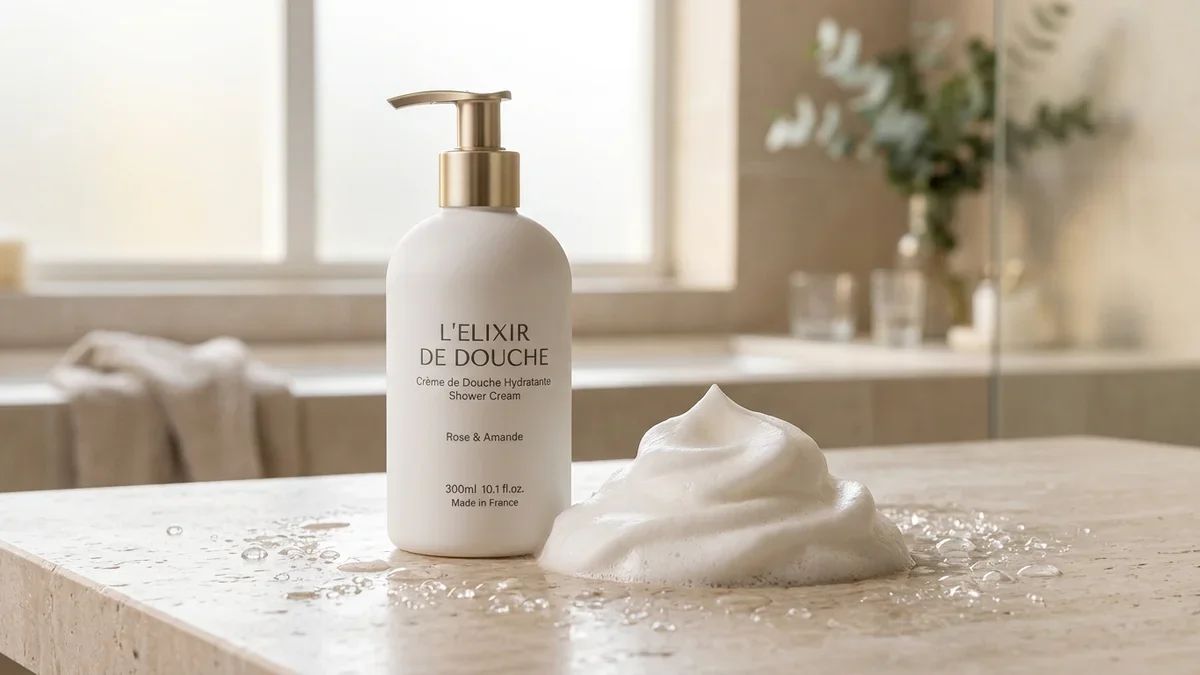
Interconnected Regulatory Compliance for Your Cosmetic Range
If you also formulate complementary family, masculine, or shower hygiene products, explore our dedicated guides:
- For masculine grooming lines, review our guide on the men's body cream PIF.
- For gentle daily shower milks, see our guide on shower cream regulation.
- For aqueous cleansing formulas, explore our guide on shower gel regulation.
Frequently Asked Questions About Pregnancy Body Cream Regulations
- Is gynecological testing required for a pregnancy body cream?
- While a standard human patch test under dermatological control is legally sufficient to verify basic skin compatibility, conducting clinical in vivo trials under gynecological supervision provides substantial scientific credibility and legal defensibility when claiming 'suitable for pregnant and nursing women'.
- Can phenoxyethanol be used as a preservative in pregnancy creams?
- Although phenoxyethanol is legally authorized up to 1% under Annex V of Regulation (EC) No 1223/2009, French authorities (ANSM) have expressed persistent safety cautions regarding phenoxyethanol exposure in maternity and infant care. Most cosmetic brands targeting expectant mothers voluntarily ban phenoxyethanol, substituting it with organic acids (such as sodium benzoate and potassium sorbate) or caprylyl glycol.
- How do I substantiate an "anti-stretch mark efficacy" claim?
- Substantiating an anti-stretch mark claim requires clinical evidence. The testing laboratory conducts open clinical trials under dermatological and gynecological supervision on panels of pregnant women, measuring skin biomechanical parameters (cutometry for elasticity and firming) and recording clinical evaluations of striae occurrence across pregnancy trimesters.

Configure Your Cosmetic PIF Project Live
Calculate your EU Cosmetic PIF & CPSR Price
Select your profile, galenic formula type, and laboratory test status to get an instant, transparent regulatory estimate.