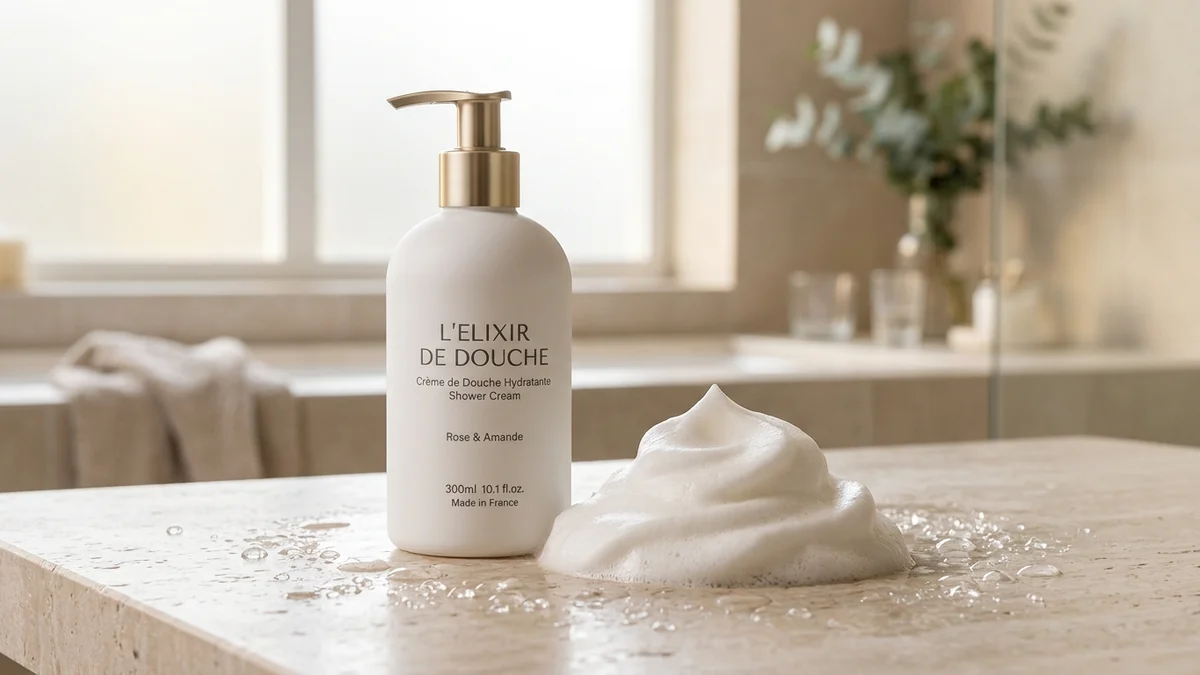
Shower Cream Regulation: Gentle Formulation Secrets and EU Regulatory Compliance
Shower creams, also designated as body cleansing milks or shower washes, are the gold standard hygiene cosmetics for dry, sensitive, or reactive skin. Engineered to cleanse skin while depositing a protective lipid-replenishing film (thanks to an emulsified texture rich in botanical oils and butters), their formulation blends mild surfactants with nourishing fatty phases. However, commercializing these rinse-off hygiene products in Europe requires verifying microbiological safety, preservative stability, and dermatological tolerance under Regulation (EC) No 1223/2009. Here is our complete regulatory guide.
💡 Formulating a shower cream, cleansing body milk, or lipid-rich wash? Ensure the regulatory compliance of your hygiene formulas. Estimate your costs in 2 minutes with our configurator.
The Chemistry of Shower Creams: Mild Surfactants and Fatty Phases
Unlike conventional shower gels, which are transparent aqueous surfactant systems, shower creams are stable emulsions incorporating suspended lipid droplets. This architecture offsets surfactant stripping through direct deposition of protective lipids:
- Mild surfactant systems: Prioritize sulfate-free surfactant blends. Amphoteric surfactants (Cocamidopropyl Betaine, Sodium Cocoamphoacetate) and non-ionic glucosides (Coco Glucoside, Lauryl Glucoside) provide gentle cleansing and dense foam. Acyl glutamates (Sodium Cocoyl Glutamate) offer exceptional ecological and dermatological compatibility.
- Nourishing lipid phase: Vegetable oils such as sweet almond oil (INCI: Prunus Amygdalus Dulcis Oil), jojoba, or fractionated coconut oil. Shea butter is widely utilized for its barrier-replenishing unsaponifiables.
- Viscosity modifiers and opacifiers: Natural gum polymers (xanthan gum) or cosmetic opacifiers such as Glycol Distearate yield the characteristic pearlescent, creamy aesthetic.
The shower cream PIF compiles all formula composition data, manufacturing specifications, and safety files. To explore foundational requirements for body hygiene products, review our guide on the body care and hygiene PIF and our pillar resource on the cosmetic PIF.
🔬 Cosmetic Safety Assessor Insights
"Shower creams contain substantial water percentages and are stored in warm, humid bathroom environments. During regular consumer use, water frequently enters the primary packaging, carrying microbial contamination. Conducting a microbiological challenge test according to ISO 11930 on the final finished formula is strictly mandatory to substantiate preservative efficacy. Moreover, although this is a rinse-off cosmetic, accidental ocular contact is common during showering, requiring in vitro eye irritation screening (such as HET-CAM or BCOP) to validate consumer safety."
The Structure of the PIF for Shower Creams
To validate your shower cream range, the internal regulatory file maintained at your company premises must include:
- Complete qualitative and quantitative formulation records with INCI breakdown.
- The Cosmetic Product Safety Report (CPSR Part A and Part B) signed by our qualified Safety Assessor.
- Official Good Manufacturing Practices declaration (GMP / ISO 22716 compliance) for your production facility or contract manufacturer.
- Full stability test and microbiological preservative challenge test (ISO 11930) reports.
- The official CPNP notification confirmation receipt.
Our regulatory team provides comprehensive support for your projects. Review our transparent packages and details in our tailored PIF services overview.
⚠️ 3 Common Regulatory Pitfalls in Shower Cream Compliance
- Using aggressive sulfates in sensitive skin claims: Including Sodium Lauryl Sulfate (SLS) while claiming 'shower cream for sensitive or reactive skin' represents a contradictory claim that will be flagged during safety evaluation.
- Emulsion physical separation under warm storage: If phase separation into aqueous and oily layers occurs at 40°C in stability chambers, the product fails physical stability requirements.
- Exceeding fragrance allergen limits: In rinse-off products, fragrance allergens must be labeled on packaging once exceeding 0.01% (a threshold ten times higher than leave-on products, but still critical for atopic skin positioning).
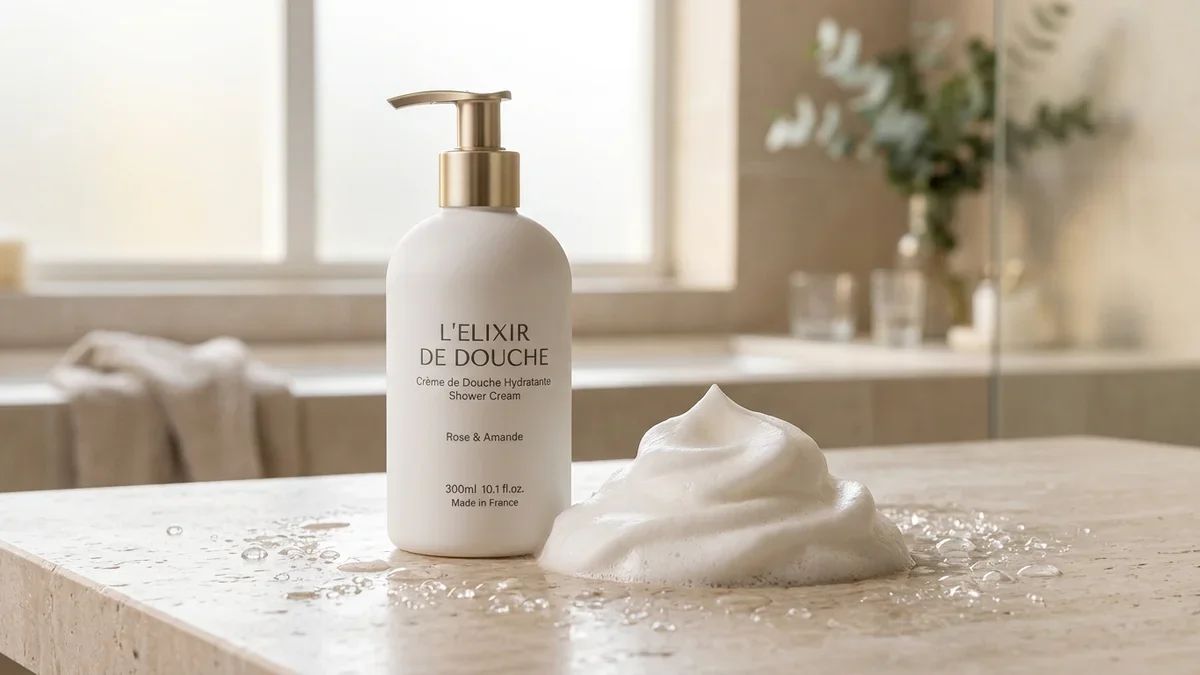
Interconnected Regulatory Compliance for Your Cosmetic Range
If you also formulate complementary shower, bath, or body moisturizing cosmetics, explore our dedicated guides:
- For aqueous body cleansing formulas, review our guide on shower gel regulation.
- For lipid-rich shower formulas, see our guide on shower oil regulation.
- For leave-on body moisturizing creams, explore our guide on hand cream regulation.
Frequently Asked Questions About Shower Cream Regulations
- Is container compatibility testing required for plastic shower bottles?
- Yes. Shower creams are generally bottled in PET or PE containers fitted with dispensing pumps or flip-top caps. Accelerated stability testing (8 to 12 weeks at 40°C) verifies that lipophilic emollients do not soften packaging plastics and that pump dispensers dispense smoothly without clogging or internal oxidation.
- Can phenoxyethanol be used as a preservative in certified organic shower creams?
- Phenoxyethanol is authorized in conventional cosmetics up to a 1.0% maximum concentration under Annex V. However, it is strictly forbidden by organic cosmetic certification standards (COSMOS, Ecocert). For certified organic positioning, formulators must select COSMOS-approved preservatives such as Sodium Benzoate and Potassium Sorbate.
- How do I substantiate a "24-hour hydration" claim on a rinse-off shower cream?
- Claiming residual moisturizing or lipid-replenishing efficacy after rinsing requires clinical instrumental proof. The laboratory conducts corneometry measurements on human volunteer panels, comparing skin capacitance before and after product application to demonstrate hydration retention.

Configure Your Cosmetic PIF Project Live
Calculate your EU Cosmetic PIF & CPSR Price
Select your profile, galenic formula type, and laboratory test status to get an instant, transparent regulatory estimate.