Children's Body Cream: Pediatric Formulation, Safety Assessment, and PIF Compliance
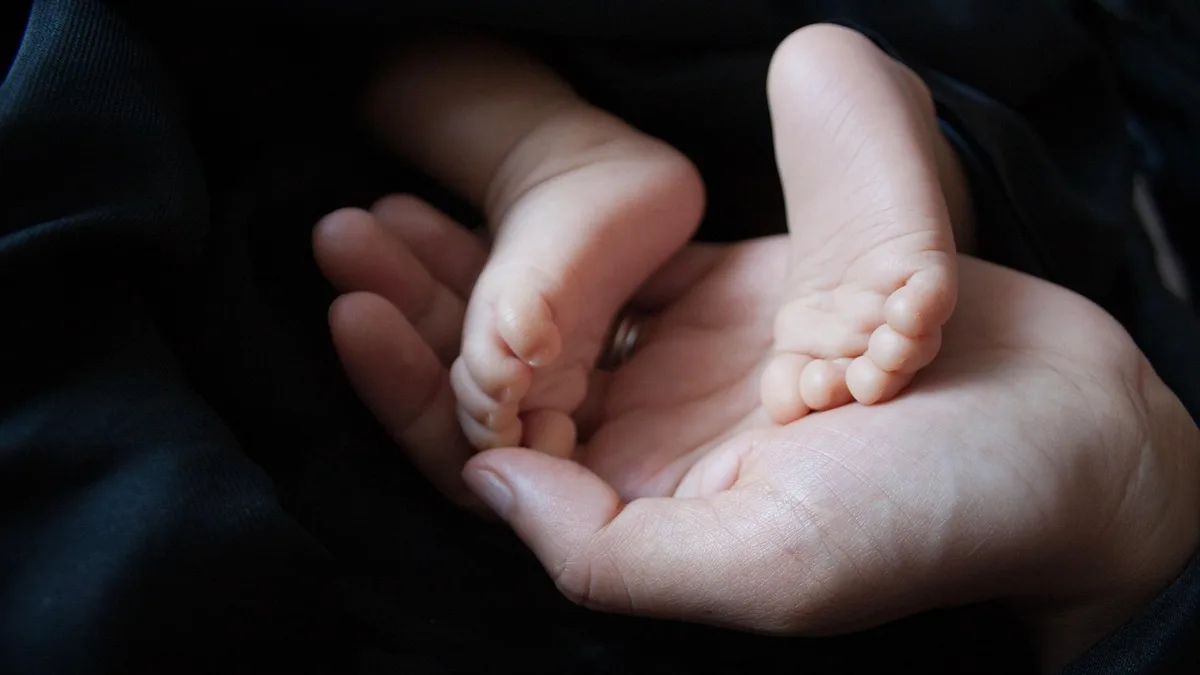
The cutaneous physiology of newborns, infants, and young children is fundamentally distinct from adult skin. With a significantly thinner stratum corneum, underdeveloped sebaceous secretions, higher cutaneous permeability, and an unfavorable body-surface-area-to-body-weight ratio (almost three times higher than an adult), pediatric skin absorbs topical substances at substantially higher systemic concentrations. Under European law, Article 10(1) of Regulation (EC) No 1223/2009 mandates a specialized, dedicated safety assessment for all cosmetic products intended for children under 3 years of age. Bringing a children's body cream to market requires meeting the highest pediatric toxicological standards. Here is our comprehensive regulatory guide.
💡 Formulating a pediatric body lotion, baby moisturizing cream, or soothing infant balm? Ensure the regulatory compliance of your child-safe formulas. Estimate your costs in 2 minutes with our configurator.
Pediatric Cutaneous Physiology and Formulation Rules
Developing a safe, compliant children's body cream requires adhering to strict minimalist formulation principles:
- Ultra-safe, skin-compatible emollients: High-purity botanical oils (sweet almond, apricot kernel, sunflower seed oil) and pharmaceutical-grade unrefined shea butter to support infant barrier maturation.
- Fragrance-free or hypoallergenic scent profiles: Eliminating fragrances entirely or utilizing exclusively certified hypoallergenic fragrance blends containing zero detectable allergens from the 26/82 European cosmetic allergen list.
- Exclusion of controversial preservatives and sensitizers: Complete exclusion of phenoxyethanol, parabens, MIT/CMIT, and formaldehyde donors. Gentle, food-grade preservatives (potassium sorbate, sodium benzoate) are favored.
The children's body cream PIF consolidates formulation records, pediatric toxicological evaluations, and stability findings. To review baseline standards for body care cosmetics, consult our guide on the body care and hygiene PIF and our foundational pillar on the cosmetic PIF.
🔬 Cosmetic Safety Assessor Insights
"Cosmetic safety evaluation for products intended for children under 3 years old is governed by strict statutory requirements under Article 10(1) of Regulation (EC) No 1223/2009 and SCCS Notes of Guidance. Because infant body weight is low (standardized at 4.3 kg for a newborn and 10 kg for a young child) relative to their dermal surface area, Systemic Exposure Dosages (SED) are proportionally much higher. In Part B of the CPSR, our qualified Safety Assessor incorporates adjusted toxicological uncertainty factors, verifying that Margins of Safety (MoS) remain strictly superior to 100 based on pediatric-specific toxicological endpoints."
Step-by-Step Regulatory Compliance for Pediatric Skincare
To market a children's body cream lawfully in France, the European Union, or Switzerland, follow these mandatory milestones:
- Dedicated pediatric safety assessment (CPSR Part B): Formal evaluation and signature by our qualified Safety Assessor according to pediatric SCCS guidelines.
- Accelerated stability and container compatibility testing: 8 to 12 weeks at 40°C to verify emulsion stability and ensure zero chemical migration (leachables, phthalates) from primary packaging.
- Microbiological challenge testing: Conducted under ISO 11930 to substantiate preservative efficacy under Category 1 criteria (products intended for children under 3 years of age, where total aerobic microbial count must strictly remain below 200 CFU/g).
- Clinical pediatric testing: Patch tests and in-use safety trials under pediatric and dermatological supervision on children's skin panels.
- CPNP notification: Mandatory registration on the European cosmetic portal before commercialization.
Our regulatory team provides comprehensive support for your projects. Review our transparent packages and details in our tailored PIF services overview.
⚠️ 3 Common Regulatory Pitfalls in Children's Skincare Compliance
- Using phenoxyethanol in leave-on nappy area products: In France, ANSM mandates explicit packaging warnings against using phenoxyethanol in leave-on diaper area cosmetics for children under 3 years old. Most pediatric brands eliminate phenoxyethanol entirely.
- Incorporating essential oils: Essential oils are strictly discouraged or prohibited in cosmetics intended for infants under 3 years of age due to systemic absorption and respiratory sensitization hazards.
- Claiming treatment of pediatric atopic eczema: Claiming that a cream cures atopic dermatitis or treats infantile eczema reclassifies the product into a pharmaceutical medicine. Maintain cosmetic wording ("soothes dry and sensitive skin", "protects the delicate infant skin barrier").
Interconnected Regulatory Compliance for Your Cosmetic Range
If you also formulate complementary family, maternal, or adult body care cosmetics, explore our dedicated guides:
- For women's moisturizing body care, review our guide on the women's body cream PIF.
- For pregnancy and maternity cosmetics, consult our guide on pregnancy body cream safety.
- For masculine grooming formulas, explore our guide on the men's body cream PIF.
Frequently Asked Questions About Children's Body Cream Regulations
- Is pediatric testing mandatory for a baby body cream?
- Yes. To substantiate claims such as 'tested under pediatric supervision' or 'suitable for babies and infants', clinical in-use trials must be conducted on human volunteer panels (babies and toddlers) under the direct supervision of certified pediatricians and dermatologists.
- Why are microbiological criteria stricter for cosmetics intended for children under 3?
- Because pediatric immune systems and cutaneous barriers are still developing, European standards (ISO 17516) establish Category 1 microbiological limits for cosmetics intended for children under 3 years old: total viable count of aerobic mesophilic microorganisms must strictly not exceed 200 CFU/g (compared to 1,000 CFU/g for standard adult cosmetics), and pathogens such as Pseudomonas aeruginosa, Staphylococcus aureus, and Candida albicans must be entirely absent in 1 g.
- Can salicylic acid or urea be used in baby body creams?
- No. Salicylic acid is strictly prohibited under Annex III of Regulation (EC) No 1223/2009 in all cosmetic products intended for children under 3 years of age due to systemic toxicity risks (Reye's syndrome and percutaneous intoxication). Urea at keratolytic concentrations (> 5%) is also avoided on infant skin due to potential irritation and stinging.

Configure Your Cosmetic PIF Project Live
Calculate your EU Cosmetic PIF & CPSR Price
Select your profile, galenic formula type, and laboratory test status to get an instant, transparent regulatory estimate.