Hair and Beard Wax PIF: Regulation and Compliance for Styling Pomades and Balms
Hair styling waxes, classic grooming pomades, and conditioning beard waxes are popular cosmetics designed to structure, sculpt, and nourish hair and facial whiskers. Formulated primarily with natural waxes, vegetable butters, fixative resins, or mineral oils, these anhydrous cosmetics require specific regulatory scrutiny due to elevated melting point requirements, raw material hydrocarbon purity, and direct contact with the scalp and facial epidermis. To legally commercialize your styling line in Europe, you must assemble a Product Information File (PIF) compliant with Regulation (EC) No 1223/2009. Here is our compliance guide.
💡 Formulating a hair pomade, beard wax, or styling clay? Ensure the complete regulatory compliance of your grooming range. Estimate your costs in 2 minutes with our configurator.
Formulation Constraints for Styling Waxes and Grooming Balms
Hair and beard waxes rely on cohesive lipophilic matrices to provide flexible hold and texture. Our Cosmetic Safety Assessor / Toxicologist evaluates the safety profile of the following raw material classes during the preparation of the Cosmetic Product Safety Report (CPSR):
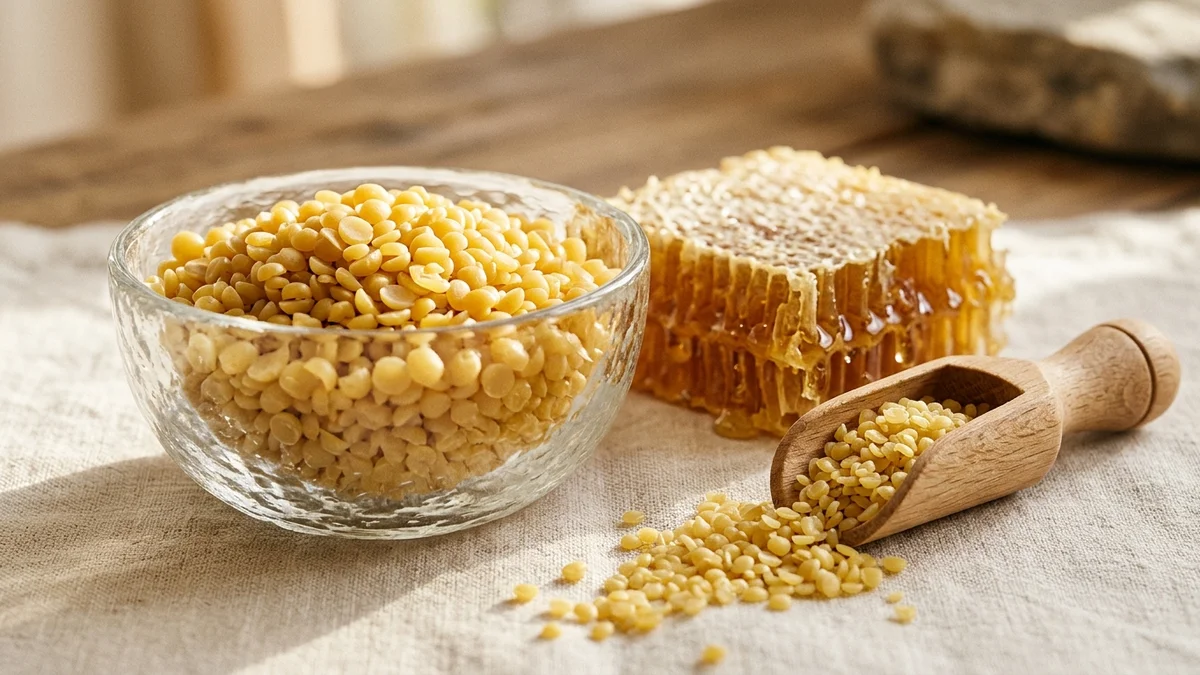
- Natural waxes: beeswax (INCI: Cera Alba), candelilla wax (INCI: Euphorbia Cerifera Cera), or carnauba wax (INCI: Copernicia Cerifera Cera). Highly valued in natural and organic styling cosmetics, their botanical purity, microbiological stability, and absence of pesticide traces are verified in the PIF.
- Mineral waxes and petrolatum derivatives: microcrystalline waxes, paraffin, or ozokerite. Widely chosen for classic brilliantine pomades. The Safety Assessor rigorously checks analytical certificates guaranteeing that mineral hydrocarbons comply with European purity criteria (certified absence of carcinogenic polycyclic aromatic hydrocarbons - PAHs under Annex II).
- Cosmetic vegetable butters: shea butter (INCI: Butyrospermum Parkii Butter) or cocoa butter, providing nourishment, emolliency, and softening action to coarse hair and beard fibers.
- Essential oils and fragrance compounds: adding masculine or aromatic scent profiles. Because waxes are leave-on cosmetics applied close to facial mucous membranes, fragrance allergen concentrations are strictly restricted.
The hair and beard wax PIF compiles all technical formulation specifications, purity profiles, and safety assessments. To understand the foundational administrative framework, consult our reference guide on the cosmetic PIF.
🔬 Insights from our Cosmetic Safety Assessor
"Anhydrous styling waxes containing zero free water are classified as low microbiological risk under ISO 29621, exempting them from preservative challenge testing. However, physical thermal stability is the critical parameter: a hair wax must maintain structural integrity under summer transit conditions. Accelerated stability testing at 40°C in climate chambers is mandatory to prove the formula does not liquefy, bleed oil (syneresis), or collapse in its metal or glass tin. Furthermore, leave-on dermal exposure calculations account for daily scalp and facial contact."
Structure of the PIF for Styling Waxes and Pomades
To validate your styling wax line, the regulatory archive held at your corporate European premises must include:
- Complete qualitative and quantitative chemical formula using standardized INCI nomenclature.
- Cosmetic Product Safety Report (CPSR Parts A and B) drafted and formally signed by our qualified Safety Assessor.
- Formal Good Manufacturing Practices declaration confirming manufacturing facility compliance with ISO 22716.
- Laboratory reports detailing physicochemical accelerated thermal stability at 40°C and container-content compatibility testing.
- Official CPNP notification receipt.
Our regulatory team provides turnkey support for your cosmetic projects. Review our service tiers and pricing in our dedicated PIF services guide.
⚠️ 3 Frequent Regulatory Deficiencies in Styling Waxes
- Omitting impurity analysis for mineral waxes: utilizing non-cosmetic grade paraffin or petroleum jelly without PAH-free certification blocks safety dossier validation under European chemical regulations.
- Thermal instability and melting: if a styling wax completely melts or separates at 40°C during accelerated oven testing, the PIF cannot certify ambient temperature shelf-life stability.
- Making prohibited therapeutic claims: claiming that a styling wax treats scalp dermatitis, eliminates dandruff, or cures eczema is strictly prohibited for a cosmetic product. Keep claims within cosmetic styling boundaries ("strong hold", "fiber protection", "pliable texture").

Cross-Regulatory Links with Related Grooming Products
If you are formulating complementary hair styling or grooming cosmetics, explore our related technical guides:
- For handlebar waxes and mustache styling, consult our guide on mustache wax regulation.
- For hair gels and water-based fixatives, see our guide on hair gel regulation.
- For exfoliating scalp preparations, read our guide on scalp scrub regulation.
Frequently Asked Questions About Hair and Beard Wax PIF
- Is container-content compatibility testing required for waxes in metal tins?
- Yes. Styling waxes and pomades are frequently packaged in aluminum or tinplate screw-top tins. Accelerated stability testing (8 to 12 weeks at 40°C) confirms that the protective inner epoxy lacquer does not dissolve under the influence of formula waxes and essential oils, and that no metal corrosion or product discoloration occurs.
- What is the regulatory difference between a beard wax and a hair wax?
- The distinction lies primarily in ingredient concentration, melting point, and toxicological exposure area. Beard wax has a lower melting point to warm effortlessly between fingers and apply smoothly to facial hair without stiffness. Hair styling wax typically features higher wax concentrations and higher melting points for firm hold. The Safety Assessor adjusts Systemic Exposure Dosage (SED) calculations based on targeted facial versus scalp surface areas.
- How do I substantiate a "matte finish" claim on a styling clay?
- A "matte finish" or "matte effect" claim is an aesthetic, qualitative claim. It does not require complex clinical trials: standardized visual photographic documentation on hair tresses or a structured sensory user evaluation panel conducted during formula development provides sufficient evidential substantiation in Section 4 of the PIF.
Configure Your Cosmetic PIF Project Live
Calculate your EU Cosmetic PIF & CPSR Price
Select your profile, galenic formula type, and laboratory test status to get an instant, transparent regulatory estimate.